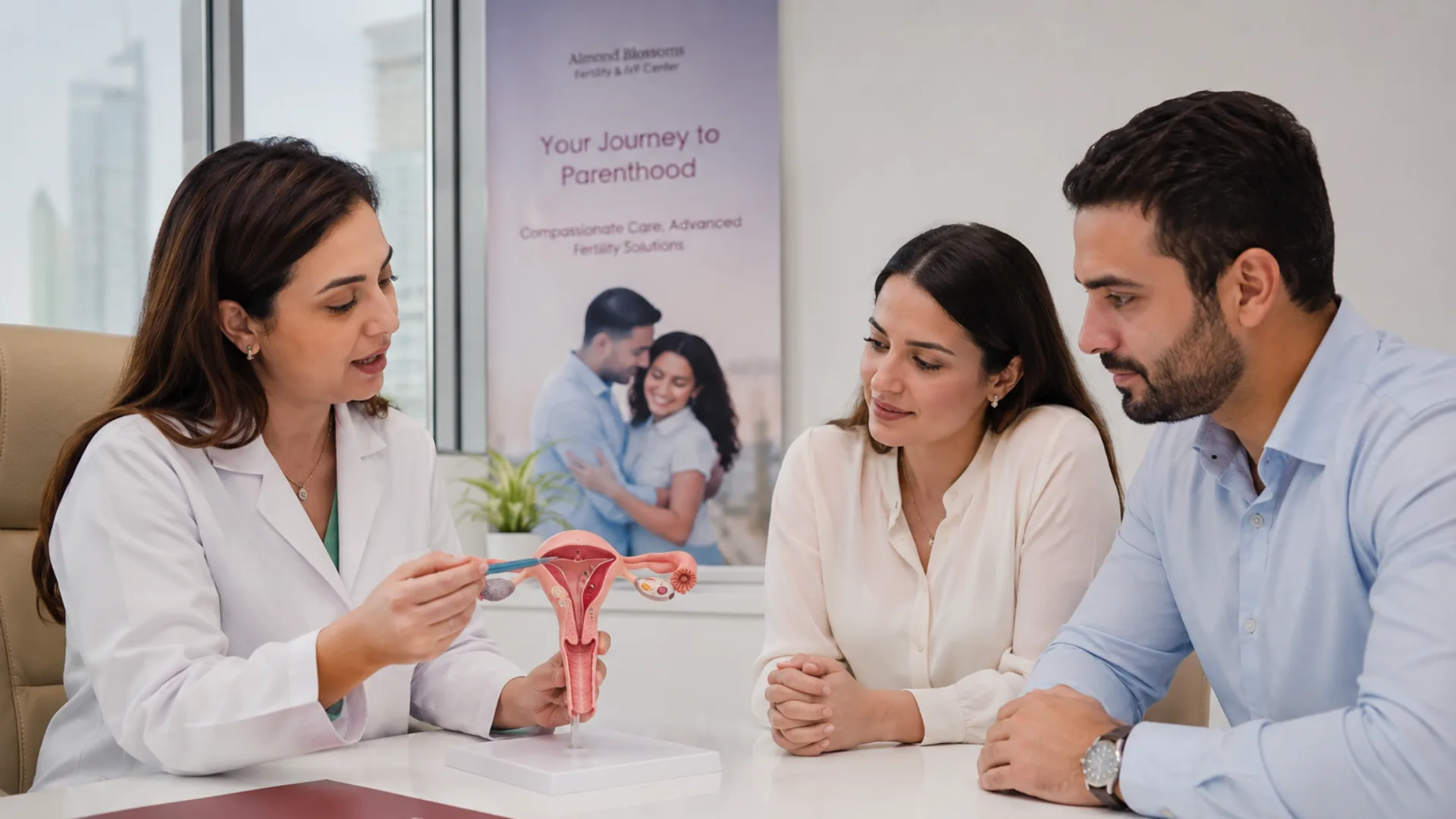
Egg retrieval is a short IVF procedure used to collect mature eggs from the ovaries for fertilization or freezing. The procedure usually takes around 15–30 minutes and is performed using ultrasound guidance with sedation or anesthesia. Most patients experience mild cramping, bloating, or light spotting afterward and can usually return to normal activities within a few days, depending on their individual recovery and medical advice.
Egg retrieval is usually scheduled approximately 34–36 hours after the trigger injection, before ovulation occurs. During the procedure, a fertility specialist uses a transvaginal ultrasound and a fine needle to collect fluid from the ovarian follicles. The eggs are then assessed by the embryology team for IVF, ICSI, embryo creation, or freezing.
| Question | What to expect |
|---|---|
| How long does egg retrieval take? | Usually about 15–30 minutes |
| When is egg retrieval performed? | About 34–36 hours after the trigger injection |
| Is egg retrieval painful? | Sedation or anesthesia is generally used to keep you comfortable |
| How long is recovery? | Many patients feel better within 1–3 days |
| Common symptoms | Mild cramping, bloating, pelvic discomfort, and light spotting |
| When should you contact your clinic? | Severe or worsening pain, heavy bleeding, fever, breathing difficulty, or significant abdominal swelling |
Your exact preparation, medications, activity restrictions, and recovery instructions should always come from your fertility specialist because they vary between patients and treatment protocols.
What Is Egg Retrieval in IVF?
Egg retrieval, also called oocyte retrieval or egg collection, is a minor surgical procedure performed during an IVF cycle. Mature eggs are collected from the ovaries after fertility medications have stimulated multiple follicles to grow.
The retrieved eggs are then:
- Fertilized with sperm in the IVF laboratory
- Developed into embryos
- Monitored by embryologists
- Frozen or transferred into the uterus depending on your treatment plan
Without successful egg retrieval, IVF cannot proceed to embryo creation.

Who Needs Egg Retrieval?
Egg retrieval is recommended for patients undergoing:
- IVF Treatment
- ICSI Treatment
- Egg Freezing
- Fertility Preservation
- Donor Egg IVF
- Genetic Testing (PGT)
It is also an essential step for women preserving fertility before cancer treatment or delaying pregnancy.
Preparing for Egg Retrieval
Preparation starts several weeks before the procedure.
Fertility Assessment
Your fertility specialist may recommend:
- Blood hormone tests
- Ovarian reserve testing
- Ultrasound scans
- Semen analysis
- Personalized IVF planning
Ovarian Stimulation
Daily hormone injections stimulate multiple follicles to mature over approximately 8–14 days.
During this period, you’ll have regular ultrasound scans and blood tests to monitor follicle growth and hormone levels.
Trigger Injection
When most follicles reach the ideal size (usually around 18–20 mm), you’ll receive a trigger injection approximately 34–36 hours before egg retrieval.
Timing is critical because it prepares the eggs for collection before natural ovulation occurs.
Egg Retrieval Recovery: What to Expect Day by Day
Recovery after egg retrieval varies from person to person. Some patients feel comfortable within a day, while others may need several days before they feel completely back to normal.
The First 24 Hours After Egg Retrieval
During the first day, you may experience:
- Mild abdominal or pelvic cramping
- Bloating or a feeling of fullness
- Light vaginal spotting or blood-stained discharge
- Tiredness or drowsiness from sedation
- Mild nausea or discomfort
Rest at home and follow the specific instructions provided by your fertility clinic. Because sedation can temporarily affect coordination and judgment, patients are commonly advised not to drive until their clinical team confirms it is safe.
24–48 Hours After Egg Retrieval
Many patients notice that cramping, bloating, and fatigue begin to improve during this period.
You may gradually return to light daily activities if you feel comfortable and your fertility specialist has not given you different instructions.
2–3 Days After Egg Retrieval
For many patients, recovery is substantially improved within several days. However, recovery time can vary depending on the number of follicles developed, ovarian response to stimulation, medications used, and whether complications occur.
Avoid strenuous activity until your fertility team confirms that you can safely resume it.
During the First Week
Your fertility specialist may recommend temporarily avoiding activities such as vigorous exercise or sexual intercourse because the ovaries can remain enlarged after stimulation.
Always follow your clinic’s specific aftercare instructions rather than relying on a general recovery timeline.
Is Egg Retrieval Painful?
Egg retrieval is generally performed with sedation or anesthesia to help keep the patient comfortable during the procedure.
Afterward, some patients experience mild cramping, pelvic discomfort, bloating, or light spotting. The intensity varies from person to person.
The procedure itself is usually relatively short, but your recovery experience depends on factors such as ovarian response, the number of follicles treated, medications, and your individual health.
If you have concerns about pain or anesthesia, discuss them with your fertility specialist before the procedure
When Can You Return to Work After Egg Retrieval?
Many patients can return to normal daily activities within a few days, but the timing depends on how they feel and the instructions from their fertility clinic.
If your work involves physical activity, heavy lifting, or prolonged standing, you may need additional recovery time.
Your fertility specialist can advise you when it is appropriate to resume your normal work routine.
When Can You Exercise After Egg Retrieval?
Avoid strenuous or high-impact exercise immediately after egg retrieval unless your fertility specialist tells you otherwise.
The ovaries may remain enlarged following ovarian stimulation, so your doctor may recommend waiting before returning to running, intense workouts, heavy lifting, or other vigorous activities.
Resume exercise gradually and follow your clinic’s individual instructions.
When Can You Have Sex After Egg Retrieval?
Your fertility clinic may recommend avoiding sexual intercourse for a short period after egg retrieval, particularly while the ovaries remain enlarged or if you have discomfort.
The appropriate timing depends on your individual treatment plan and whether an embryo transfer is planned.
What to Eat After Egg Retrieval
After egg retrieval, choose foods that you tolerate well and continue drinking fluids according to your clinic’s advice.
A balanced diet containing protein, vegetables, fruits, whole grains, and healthy fats can support general wellbeing during fertility treatment.
If you experience significant bloating, nausea, or other symptoms, ask your fertility team whether any dietary adjustments are appropriate for you.
How Long Does Egg Retrieval Take?
The egg retrieval procedure itself usually takes approximately 15–30 minutes, although the total time at the clinic is longer because you need preparation, sedation, and post-procedure recovery.
Many clinics require patients to remain in the recovery area for approximately one to two hours before going home, depending on the sedation used and how they recover.
How Many Eggs Are Usually Retrieved During IVF?
There is no single egg number that is ideal for every IVF patient.
The number of eggs retrieved can vary depending on factors such as:
- Age
- Ovarian reserve
- AMH level
- Antral follicle count
- Response to ovarian stimulation
- Type and dose of fertility medication
Importantly, the number of eggs retrieved is only one stage of the IVF process. Eggs must also be mature, successfully fertilized, and develop into embryos before an embryo can be considered for transfer.
Your fertility specialist can explain what your individual follicle count and ovarian reserve may mean for your IVF cycle.
What Should You Do After Egg Retrieval?
After egg retrieval, focus on rest, hydration, and following your fertility team’s instructions.
Depending on your doctor’s advice, helpful recovery measures may include:
- Resting on the day of the procedure
- Drinking fluids regularly
- Eating light, nutritious meals
- Taking prescribed medication exactly as directed
- Avoiding strenuous exercise until cleared
- Avoiding driving while affected by sedation
- Attending scheduled follow-up appointments
- Monitoring symptoms such as increasing pain, bleeding, or abdominal swelling
There is no single recovery plan that is appropriate for every IVF patient. Your fertility specialist should provide personalized instructions based on your treatment cycle and medical history.
When Should You Contact Your Fertility Clinic After Egg Retrieval?
Mild cramping, bloating, and light spotting can occur after egg retrieval. However, contact your fertility clinic promptly if you develop severe symptoms, worsening symptoms, or unusual for you.
Seek medical advice if you experience:
- Severe or increasing abdominal or pelvic pain
- Heavy vaginal bleeding
- Persistent vomiting
- Fever or chills
- Significant abdominal swelling
- Difficulty breathing
- Dizziness, fainting or marked weakness
- Rapid worsening of symptoms
These symptoms can sometimes indicate a complication such as infection, bleeding, or ovarian hyperstimulation syndrome (OHSS), which requires medical assessment.
Egg Retrieval at Almond Blossoms Fertility & IVF Clinic Dubai
At Almond Blossoms Fertility & IVF Clinic Dubai, egg retrieval is part of an individualized fertility treatment plan. Our fertility team assesses each patient’s medical history, ovarian response, and treatment goals before determining the appropriate IVF approach.
Our fertility services include:
- IVF treatment
- ICSI treatment
- Fertility assessment
- Egg freezing
- Embryo freezing
- Fertility preservation
- Genetic testing
- Female fertility treatment
- Male fertility treatment
If you are considering IVF or have questions about egg retrieval, a fertility specialist can assess your individual situation and explain what to expect before, during, and after the procedure.
Conclusion
Egg retrieval is a safe, minimally invasive, and essential part of the IVF process. While the idea of the procedure may seem overwhelming, most patients recover quickly and experience only mild discomfort. Understanding each stage from ovarian stimulation to recovery can help you feel more confident and prepared.
At Almond Blossoms Fertility & IVF Clinic Dubai, our experienced fertility specialists provide personalized care, advanced IVF technology, and continuous support throughout every step of your fertility journey. Whether you are beginning IVF, considering egg freezing, or exploring fertility treatment options, our team is committed to helping you achieve the best possible outcome with compassionate, evidence-based care.
Book a fertility consultation in Dubai to discuss your treatment options.
Updated: September 2026
→ Book a Consultation in Dubai
→ Website
Frequently Asked Questions (FAQs)
How long does egg retrieval take?
The egg retrieval procedure usually takes around 15–30 minutes, although preparation and recovery mean you will spend longer at the clinic.
Is egg retrieval painful?
Sedation or anesthesia is generally used during egg retrieval to keep patients comfortable. Mild cramping, bloating, or pelvic discomfort can occur afterward.
Can I work after egg retrieval?
Some patients return to work within a few days, but those with physically demanding jobs may need longer. Follow your fertility specialist’s advice.
What happens to the eggs after retrieval?
The eggs are assessed by embryologists and may be fertilized using conventional IVF or ICSI. Resulting embryos may later be transferred or frozen depending on the treatment plan.
What are the warning signs after egg retrieval?
Severe or worsening pain, heavy bleeding, fever, difficulty breathing, significant abdominal swelling, or other concerning symptoms should be reported promptly to your fertility clinic.