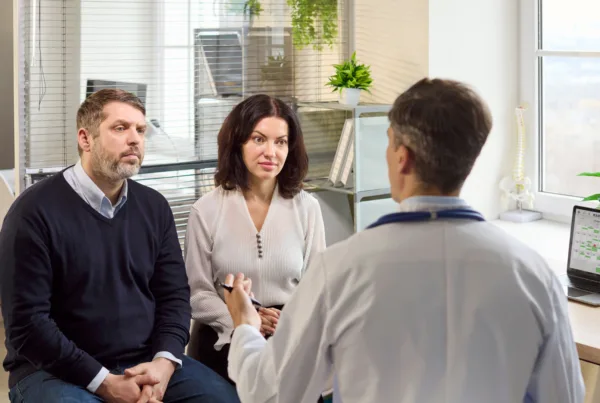
Polycystic ovary syndrome (PCOS) can affect ovulation and make it harder for some women to conceive. However, a PCOS diagnosis does not automatically mean you need IVF. The right approach depends on your menstrual cycle, ovulation, age, fertility history, and other factors affecting conception.
At Almond Blossoms Fertility & Wellbeing Center in Dubai Healthcare City, fertility care can begin with an individual assessment to understand your reproductive health and discuss appropriate treatment options. The aim is to help you make informed decisions with your fertility team.
How Does PCOS Affect Fertility?
PCOS is a hormonal condition that can interfere with regular ovulation. Some women ovulate infrequently or do not release an egg during every menstrual cycle, which can make conception less predictable.
Common signs can include irregular periods, acne, excess facial or body hair, and changes in weight. Not everyone experiences the same symptoms, and PCOS should be assessed by a qualified healthcare professional.
PCOS does not mean that pregnancy is impossible. Many women with PCOS conceive, sometimes with support to improve ovulation, and others may benefit from assisted reproductive treatment.
When Is IVF Recommended for Women With PCOS?
IVF may be considered when other appropriate fertility treatments have not worked, when additional fertility factors are present, or when a specialist believes IVF is the most suitable option for an individual case.
Before recommending IVF, a fertility specialist may review your medical history, menstrual pattern, previous treatment, ovarian reserve, ultrasound findings, and your partner’s fertility assessment where relevant.
IVF is not automatically the first treatment for PCOS-related infertility. The choice should be based on your clinical circumstances and fertility goals.
PCOS Fertility Treatment Options
1. Fertility assessment and ovulation monitoring
An assessment may include a review of your menstrual cycles, relevant hormone tests, and pelvic ultrasound. The tests selected will depend on your symptoms and medical history.
2. Ovulation induction
For some women who are not ovulating regularly, prescribed medication can help stimulate ovulation. Your clinician will decide whether this approach is appropriate and whether ultrasound or other monitoring is needed.
3. Lifestyle and metabolic support
Nutrition, physical activity, sleep and management of metabolic concerns may form part of PCOS care. Recommendations should be personalised rather than based on restrictive diets or unsupported fertility claims.
4. IVF and ICSI
If IVF is appropriate, eggs are collected after ovarian stimulation and fertilised in a laboratory. ICSI may be used when there is a relevant indication, particularly certain sperm-related factors. It is not automatically required simply because a woman has PCOS.
How Does IVF Work for PCOS?
An IVF cycle generally involves an initial assessment, an individualised medication plan, monitoring of ovarian response, egg retrieval, fertilisation in the laboratory, embryo development and embryo transfer when appropriate.
Women with PCOS may respond strongly to ovarian stimulation medication and can have a higher risk of ovarian hyperstimulation syndrome (OHSS). Your fertility specialist should explain the risks and the monitoring and prevention strategies relevant to your treatment.
Not every patient follows the same protocol, and IVF cannot guarantee pregnancy.
What Tests May Be Needed Before IVF?
Your specialist may recommend selected investigations such as:
- Medical and menstrual history
- Hormonal blood tests where indicated
- Pelvic ultrasound and ovarian assessment
- Evaluation of the uterus and fallopian tubes when relevant
- Semen analysis for a male partner where applicable
- Review of previous fertility treatment and other medical conditions
Not every test is necessary for every patient. Your clinician will determine which investigations are appropriate.
Choosing Fertility Care for PCOS in Dubai
When comparing fertility clinics in Dubai, consider the qualifications and experience of the treating specialist, the assessment process, how treatment options and risks are explained, laboratory services where relevant, follow-up arrangements, and access to emotional support.
Ask how your PCOS may influence the treatment plan, how ovarian response will be monitored, and what alternatives are available before proceeding with IVF.
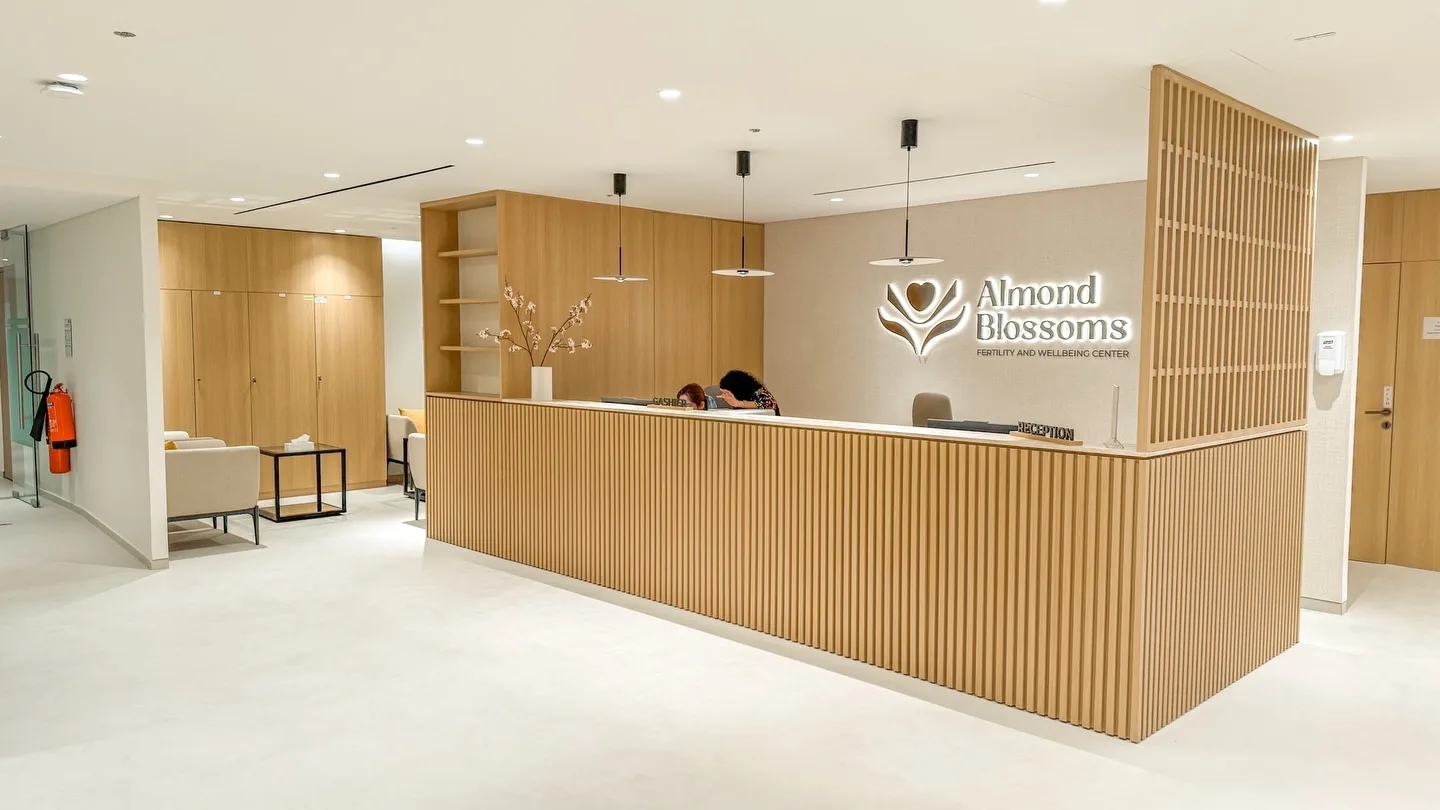
Almond Blossoms Fertility & Wellbeing Center is located in Dubai Healthcare City and offers fertility care alongside psychological and wellbeing support. You can contact the clinic to discuss your individual circumstances and the services appropriate to your needs.
How to Choose the Best Fertility & Gynaecology Clinic in Dubai
Choosing the right clinic is one of the most important decisions in your fertility journey.
Look for Experienced Specialists
Choose clinics with:
- Board-certified fertility specialists
- Experienced embryologists
- IVF expertise
- Women’s health specialists
Evaluate Fertility Technology
The best clinics use:
- Advanced IVF laboratories
- Time-lapse embryo monitoring
- Genetic testing
- Modern cryopreservation systems
Read Patient Reviews
Real patient experiences can reveal:
- Quality of care
- Clinic communication
- Emotional support
- Treatment transparency
Choose Personalized Care
Every patient’s fertility journey is unique. The best clinics provide customized treatment plans instead of standard protocols.
Why More Women Trust Dubai for Fertility and Reproductive Health
Dubai continues to attract international patients because of:
- High medical standards
- Advanced reproductive technologies
- Compassionate fertility care
- Internationally trained doctors
- Modern healthcare infrastructure
- Personalized patient experience
Patients benefit from a combination of world-class medicine and supportive care throughout their fertility journey.
Conclusion
Choosing the best fertility and gynaecology clinic in Dubai is a crucial step toward improving reproductive health and achieving successful fertility outcomes. Whether you are dealing with PCOS, infertility, hormonal imbalance, endometriosis, or considering IVF treatment, expert guidance and personalized care can make a meaningful difference.
Dubai offers world-class fertility care supported by advanced technology, experienced specialists, and comprehensive women’s health services. From fertility evaluations and hormonal treatment to IVF and reproductive wellness support, patients have access to some of the most advanced reproductive healthcare options available today.
With the right fertility specialists, modern treatment plans, and compassionate support, women can move forward confidently on their journey toward better reproductive health and parenthood.
Book a Fertility Consultation
If you have PCOS and are finding it difficult to conceive, a fertility consultation can help clarify possible causes and the next steps. You do not necessarily need IVF just because you have PCOS.
Contact Almond Blossoms Fertility & Wellbeing Center in Dubai Healthcare City to discuss a personalised fertility assessment and appropriate treatment options.
→ Book a Consultation in Dubai
→ Website
Frequently Asked Questions (FAQs)
Can women with PCOS get pregnant through IVF?
Yes, IVF may help women with PCOS conceive when it is clinically appropriate. Outcomes depend on several individual factors, and pregnancy cannot be guaranteed.
Is IVF always necessary for PCOS?
No. Some women may conceive naturally or with ovulation induction. IVF is considered based on an individual’s fertility assessment and treatment history.
What is the best treatment for PCOS-related infertility?
There is no single best treatment for everyone. The appropriate option depends on ovulation, age, other fertility factors, medical history, and previous treatment.
Is IVF safe for women with PCOS?
IVF can be performed in women with PCOS, but they may have a higher risk of ovarian hyperstimulation syndrome. Individualised protocols and monitoring can help manage this risk.
Where can I seek fertility advice for PCOS in Dubai?
You can contact Almond Blossoms Fertility & Wellbeing Center in Dubai Healthcare City to discuss your fertility concerns and whether an assessment or treatment is appropriate.