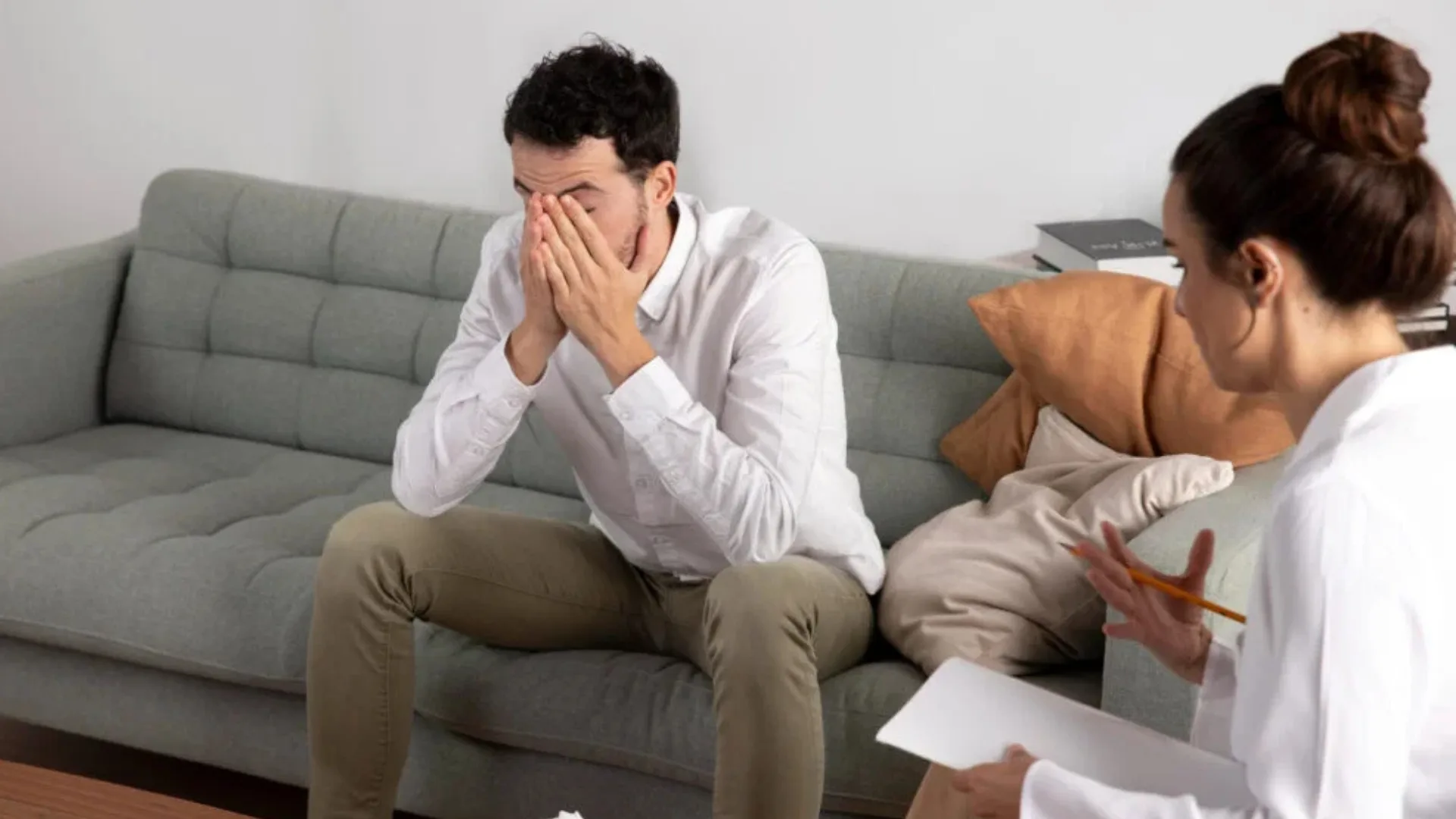
Stress and anxiety can feel very similar, but they are not the same. Stress is usually a response to an identifiable external pressure, while anxiety can continue even when the immediate stressor is gone. Both may cause symptoms such as muscle tension, difficulty sleeping, irritability, and trouble concentrating. Understanding the difference can help you decide when self-care may be enough and when professional support may be appropriate.
For Stress: Lifestyle adjustments, regular physical activity, setting boundaries, and good sleep hygiene often provide relief.
For Anxiety: If your symptoms persist without a clear cause or interfere with your life, professional support like therapy (such as Cognitive Behavioral Therapy) is often necessary. Resources like the Dubai Psychological Association offer further clinical insight into these distinctions. In high-paced environments like Dubai, prolonged unmanaged pressure can also lead to burnout, making early recognition vital
What Is Stress?
Stress is your body’s natural response to a challenge, demand, or pressure. It usually occurs because of an external trigger such as:
- Work deadlines
- Financial problems
- Relationship conflicts
- Health concerns
- Major life changes
- Academic pressure
Stress can be short-term or long-term. In many cases, stress disappears once the situation causing it is resolved.

Stress and Anxiety Support in Dubai
Living in a fast-paced city can bring different sources of emotional pressure, including demanding work schedules, relationship challenges, major life transitions and the experience of adapting to a new environment. If persistent stress or anxiety begins affecting your daily life, speaking with a qualified psychologist in Dubai can provide professional support and personalized strategies for managing your symptoms.
If you are unsure whether you are experiencing stress, anxiety or both, a psychological consultation can be a helpful first step. Almond Blossoms Fertility & Wellbeing Center provides personalized psychological support in Dubai.
Stress vs Anxiety: What’s the Difference?
| Stress | Anxiety |
| Usually has an identifiable trigger | May occur without a clear trigger |
| Often relates to a current situation | Often involves worry about what might happen |
| Usually improves when the stressor is resolved | Can continue even after the stressor is gone |
| May motivate problem-solving | May lead to excessive worry or avoidance |
| Can be short-term or chronic | May become an anxiety disorder when persistent and impairing |
| Symptoms often reduce as the situation improves | Symptoms can continue for weeks or months |
How Can You Tell If You Have Stress or Anxiety?
It may be stress if:
- You can identify the situation causing it.
- Your symptoms improve when the situation is resolved.
- Your thoughts are mainly focused on a current problem.
- You feel better after taking action to address the stressor.
It may be anxiety if:
- Worry continues even when there is no immediate problem.
- You find the worry difficult to control.
- You frequently anticipate something going wrong.
- Symptoms continue for weeks or months.
- Worry or fear interferes with work, relationships, sleep, or everyday activities.
Common Symptoms of Stress
Stress can affect both the mind and body. Common symptoms include:
- Irritability or frustration
- Headaches
- Muscle tension
- Fatigue
- Difficulty sleeping
- Digestive issues
- Trouble concentrating
- Increased heart rate
Short-term stress can sometimes improve focus and performance. However, chronic stress may negatively impact physical and mental health over time.
What Is Anxiety?
Anxiety is a persistent feeling of fear, worry, or uneasiness that may continue even without a clear external cause. Unlike stress, anxiety often remains after a stressful situation has ended.
Occasional anxiety is a normal part of life, especially before important events. However, when anxiety becomes excessive, long-lasting, or difficult to control, it may indicate an anxiety disorder.
Common Symptoms of Anxiety
Many anxiety symptoms overlap with stress, but anxiety often includes ongoing worry and fear.
Symptoms may include:
- Constant overthinking
- Excessive worrying
- Restlessness
- Rapid heartbeat
- Sweating
- Feeling nervous or on edge
- Difficulty sleeping
- Panic attacks
- Trouble concentrating
- Avoiding certain situations
Anxiety can interfere with work, relationships, daily activities, and overall quality of life if left untreated.
Can Stress Cause Anxiety?
Chronic stress does not automatically mean that someone will develop an anxiety disorder. However, prolonged or repeated stress can contribute to emotional distress and may increase vulnerability to anxiety. The distinction matters because stress is usually connected to an identifiable stressor, while anxiety may continue even after the original stressor has disappeared.
How to Manage Stress and Anxiety
Although stress and anxiety are different, many healthy coping strategies can help with both.
1. Prioritize Sleep
Poor sleep can worsen emotional health. Aim for 7,9 hours of quality sleep each night.
Tips:
- Maintain a regular sleep schedule
- Avoid screens before bedtime
- Reduce caffeine intake in the evening
2. Stay Physically Active
Exercise helps reduce stress hormones and improves mood naturally.
Helpful activities include:
- Walking
- Yoga
- Cycling
- Strength training
- Stretching exercises
Even 20–30 minutes daily can make a significant difference.
3. Practice Mindfulness and Relaxation
Mindfulness techniques help calm racing thoughts and improve emotional regulation.
Try:
- Deep breathing exercises
- Meditation
- Journaling
- Progressive muscle relaxation
- Guided mindfulness apps
4. Maintain a Healthy Diet
Nutrition affects mental well-being more than many people realize.
Focus on:
- Whole foods
- Fruits and vegetables
- Lean protein
- Hydration
- Reducing processed sugar and excess caffeine
5. Limit Overstimulation
Constant exposure to negative news, social media, or overwhelming schedules can increase anxiety levels.
Consider:
- Taking digital breaks
- Setting healthy boundaries
- Scheduling downtime
When Should You See a Psychologist for Stress or Anxiety?
Consider speaking with a psychologist if:
- stress or anxiety is persistent
- worry is difficult to control
- symptoms interfere with work or relationships
- sleep is consistently affected
- you avoid situations because of fear or worry
- panic symptoms occur
- you feel unable to manage everyday responsibilities
- symptoms continue despite your usual coping strategies
A psychologist can help you understand whether your symptoms are related to everyday stress, persistent anxiety, or another mental health concern and recommend an appropriate treatment approach.
How Is Anxiety Treated?
Psychological therapy
A psychologist may use evidence-based approaches such as cognitive behavioral therapy (CBT) to help identify unhelpful thought patterns and develop healthier coping strategies.
Stress management
For stress related to work, relationships, major life changes, or other ongoing pressures, psychological support can help identify stressors and develop practical coping strategies.
Medication
Medication may be considered for some anxiety disorders, but whether it is appropriate depends on an individual’s symptoms and clinical assessment. A qualified medical professional should make that decision.
Personalized psychological support
Treatment should be based on the person’s symptoms, duration, severity, and effect on daily functioning.
Conclusion
Stress and anxiety may feel similar, but understanding the difference is essential for protecting your mental and physical health. Stress is typically linked to external pressures and usually fades when the situation improves. Anxiety, however, can persist even without an obvious cause and may interfere with daily life if not addressed.
The good news is that both stress and anxiety can be managed with healthy lifestyle habits, emotional support, and professional treatment when needed. Paying attention to your mental well-being is not a sign of weakness it is an important part of living a healthy and balanced life.
If stress or anxiety begins affecting your everyday functioning, reaching out to a mental health professional can be a valuable first step toward recovery and emotional wellness.
At Almond Blossoms, we understand how heavy these feelings can be. You don’t have to navigate this journey alone. Our dedicated team is here to provide personalized guidance, helping you understand your experiences and equipping you with the tools needed to live a calmer, more fulfilling life
Medically/Clinically Reviewed By
[Dr. Vassiliki Simoglou], Clinical Psychologist / Consultant Psychologist
Almond Blossoms Fertility & Wellbeing Center, Dubai
→ Book a Consultation in Dubai
→ Website
Frequently Asked Questions (FAQs)
What is the difference between stress and anxiety?
Stress is usually a response to an identifiable external pressure, such as work, relationship problems, financial concerns, or a major life change. Anxiety can continue even when there is no immediate stressor and may involve persistent worry, fear, or a sense that something bad might happen.
How can I tell if I have stress or anxiety?
If symptoms improve when a stressful situation ends, it may be stress. Persistent worry without a clear trigger may indicate anxiety.
Can stress cause anxiety?
Yes, long-term stress can contribute to anxiety, although it does not always lead to an anxiety disorder.
When should I see a psychologist for stress or anxiety?
Consider seeing a psychologist when stress or anxiety persists, becomes difficult to manage, or starts affecting your sleep, work, relationships, or daily life.
What are common symptoms of stress and anxiety?
Common symptoms include sleep problems, muscle tension, irritability, tiredness, difficulty concentrating, and feeling overwhelmed.