
The symptoms of anxiety in adults can affect the mind, body, emotions and everyday behaviour. Common signs include excessive worrying, restlessness, racing thoughts, difficulty concentrating, sleep problems, rapid heartbeat, muscle tension, sweating and shortness of breath. When these symptoms become persistent, difficult to control or interfere with daily life, professional support may be appropriate.
Anxiety is a normal response to stress, uncertainty or perceived danger. However, ongoing or excessive anxiety can become more than an occasional emotional reaction. Understanding the signs of anxiety disorders, recognizing physical symptoms and knowing when to seek help can make it easier to access appropriate support.
Key Takeaways
- Anxiety can cause emotional, physical, cognitive and behavioural symptoms in adults.
- Common signs include excessive worry, racing thoughts, sleep problems, rapid heartbeat, muscle tension and difficulty concentrating.
- Persistent symptoms that interfere with work, relationships or daily life may require professional assessment.
- Anxiety can occur alongside depression, panic symptoms or health-related worries.
- Therapy and other appropriate treatments can help people manage anxiety effectively.
What Is Anxiety?
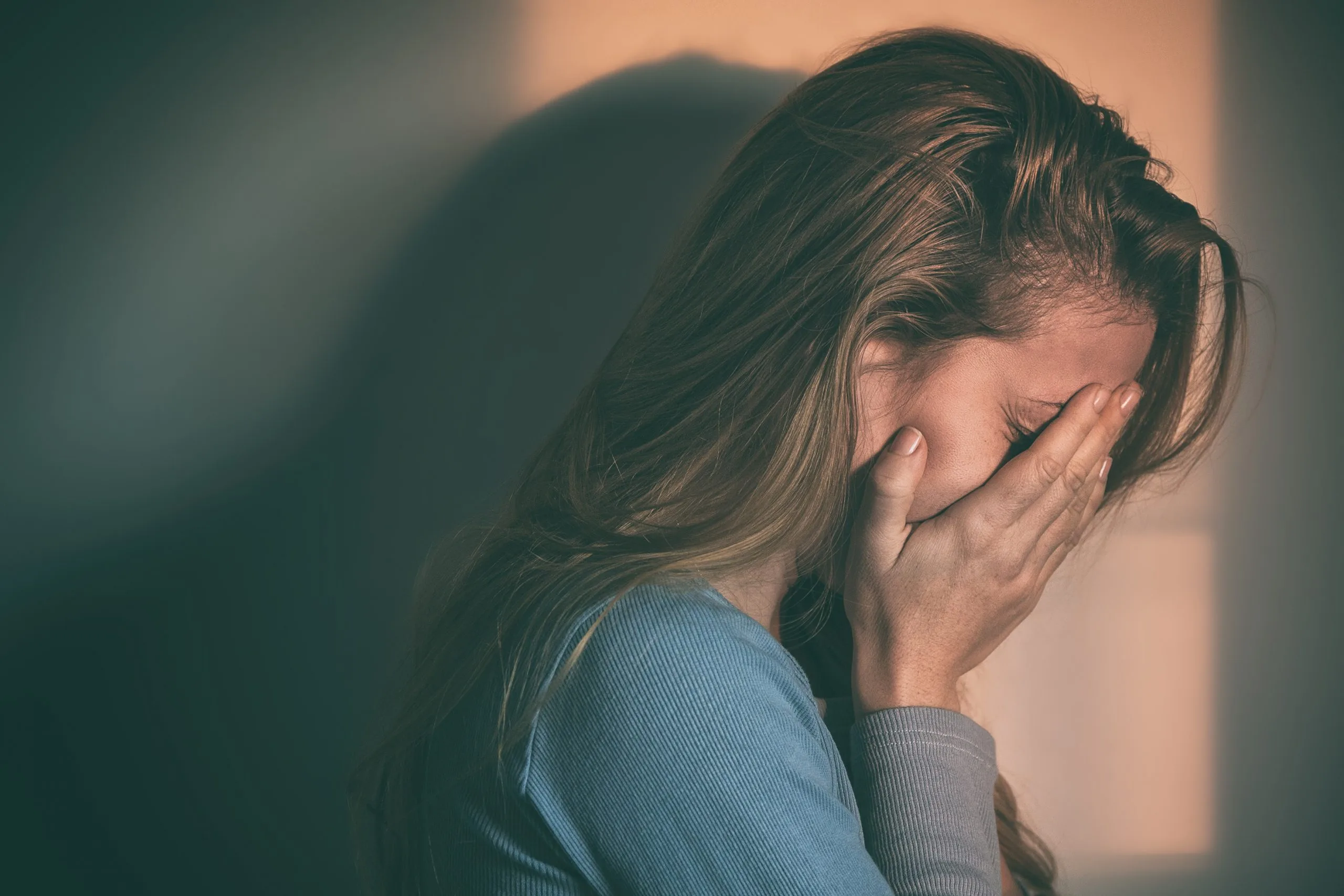
Anxiety is the body’s natural response to stress, fear, or perceived danger. It activates the “fight-or-flight” response, preparing the body to react quickly in challenging situations.
Normal anxiety can help people stay focused and cautious. However, anxiety disorders involve excessive fear, worry, or nervousness that does not go away easily and often feels difficult to control.
According to mental health experts, anxiety disorders are among the most common mental health conditions worldwide and can affect people of all ages.
What Are the Symptoms of Anxiety in Adults?
Anxiety does not look the same for everyone. Some adults mainly experience excessive worry or overthinking, while others notice physical symptoms such as a racing heart, dizziness or difficulty breathing. Anxiety may also affect behaviour, concentration, sleep and relationships.
Emotional Symptoms of Anxiety
- Persistent or excessive worry
- Feeling nervous or constantly on edge
- Irritability
- Feeling overwhelmed
- Difficulty relaxing
- Fear that something bad may happen
- Feeling unable to control worries
Physical Symptoms of Anxiety
- Rapid heartbeat or heart palpitations
- Shortness of breath or faster breathing
- Sweating
- Trembling or shaking
- Muscle tension
- Dizziness or lightheadedness
- Headaches
- Stomach discomfort or nausea
- Fatigue
- Difficulty sleeping
Cognitive Symptoms of Anxiety
- Racing thoughts
- Difficulty concentrating
- Constant overthinking
- Expecting the worst
- Difficulty making decisions
- Feeling mentally exhausted
Behavioural Symptoms of Anxiety
- Avoiding situations that cause worry
- Seeking repeated reassurance
- Difficulty completing everyday tasks
- Withdrawing from social activities
- Changes in sleep or daily routines
How Does Anxiety Affect the Body?
Anxiety activates the body’s stress response, which can affect several physical systems. When the body repeatedly responds to perceived stress or danger, adults may experience symptoms such as a faster heartbeat, rapid breathing, sweating, muscle tension, digestive discomfort, dizziness, fatigue, and difficulty sleeping.
These physical sensations can sometimes increase worry, creating a cycle in which anxiety causes physical symptoms and those symptoms create further concern.
However, new, severe or persistent physical symptoms should not automatically be assumed to be caused by anxiety. A healthcare professional may need to assess other possible causes.
What Are Health Anxiety Symptoms?
Health anxiety involves persistent worry about having or developing a serious illness, even when medical reassurance has been provided, or symptoms are relatively minor. The concern itself can become a major source of distress.
Common health anxiety symptoms may include:
- Frequently checking the body for signs of illness
- Searching online for medical symptoms repeatedly
- Seeking frequent reassurance
- Worrying that normal bodily sensations indicate serious disease
- Difficulty accepting reassuring medical information
- Increased awareness of heartbeat, breathing or other physical sensations
- Avoiding activities because of fears about health
Because anxiety itself can produce physical sensations, health anxiety may sometimes create a cycle of symptoms, worry, and repeated checking.
If health worries are affecting your daily life, speaking with a psychologist in Dubai can help you explore the underlying anxiety and develop appropriate coping strategies.
Can Anxiety and Depression Occur Together?
Anxiety and depression are different mental health conditions, but they can occur together. A person experiencing persistent anxiety may also develop low mood, reduced motivation, sleep difficulties, or loss of interest in activities.
Similarly, people experiencing depression may have excessive worry, irritability or anxiety symptoms. When anxiety and depression occur together, symptoms can have a greater impact on sleep, concentration, relationships, work and overall quality of life.
If symptoms of anxiety or low mood persist or interfere with everyday functioning, a psychological assessment can help determine what type of support may be appropriate.
What Are the Signs of an Anxiety Disorder?
Occasional anxiety is a normal part of life. However, persistent anxiety may be more concerning when it becomes difficult to control or starts interfering with everyday activities.
Common anxiety disorder signs include:
- Excessive worry that is difficult to control
- Anxiety that persists over time
- Frequent or unexpected panic attacks
- Avoidance of everyday situations
- Difficulty sleeping because of worry
- Problems concentrating
- Persistent physical symptoms
- Anxiety affecting work, relationships or social activities
- Significant emotional exhaustion
Types of Anxiety Disorders and Their Symptoms
Then explain each in 2–3 sentences rather than one sentence.
Generalized Anxiety Disorder (GAD)
Persistent and excessive worry about multiple areas of life, such as work, finances, health or relationships.
Panic Disorder
Repeated unexpected panic attacks accompanied by intense fear and physical symptoms such as a racing heart, sweating, trembling, dizziness or shortness of breath.
Social Anxiety Disorder
Intense fear of being judged, embarrassed or negatively evaluated in social or performance situations.
Specific Phobias
A strong fear of a particular object, animal, situation or activity that is disproportionate to the actual danger.
Trauma-Related Conditions
Trauma-related conditions such as PTSD can involve significant anxiety, hyperarousal, avoidance, and distress following a traumatic experience.
How to Stop Anxiety From Taking Over Your Day
There is no single technique that works for everyone, but several strategies may help reduce anxiety symptoms and improve coping.
- Slow your breathing: Controlled breathing can help you respond to physical sensations of anxiety.
- Identify the trigger: Notice situations, thoughts, or patterns that increase your anxiety.
- Challenge unhelpful thoughts: Ask whether the thought is based on evidence or represents a worst-case assumption.
- Stay physically active: Regular physical activity can support overall mental wellbeing.
- Protect your sleep: Maintain a consistent sleep routine and reduce stimulating activities before bed.
- Reduce excessive caffeine: Caffeine can worsen feelings such as nervousness or a racing heart in some people.
- Avoid excessive reassurance-seeking: Constantly checking symptoms or searching for reassurance can sometimes maintain anxiety.
- Consider professional support: If anxiety continues despite self-care or interferes with daily life, speaking with a qualified mental health professional may be appropriate.
Panic Attack Treatment
Panic attack treatment may involve psychological therapy, education about panic symptoms, breathing and coping strategies, and addressing the fear of future attacks. The appropriate approach depends on the individual’s symptoms and clinical assessment.
Recurrent or unexpected panic attacks should be discussed with an appropriately qualified healthcare professional, particularly when symptoms are severe or affecting daily life.
Anxiety During Fertility Treatment
Fertility treatment can involve uncertainty, waiting periods, medical appointments and emotional pressure. For some individuals and couples, these experiences may increase anxiety or contribute to feelings of sadness, frustration or emotional exhaustion.
Anxiety during IVF or other fertility treatment may involve excessive worry about treatment outcomes, difficulty sleeping, fear of disappointing a partner, repeated checking or difficulty concentrating on everyday activities.
Psychological support can help individuals and couples develop healthier coping strategies while navigating the emotional challenges of fertility treatment.
When Should You See a Psychologist for Anxiety in Dubai?
If anxiety is affecting your sleep, work, relationships, concentration, or ability to manage everyday activities, it may be time to seek professional support.
People in Dubai may also seek psychological support for work-related stress, health anxiety, panic symptoms, relationship difficulties, fertility-related anxiety or persistent worry.
At Fertility & Wellbeing Center in Dubai Healthcare City, psychological care is integrated with wider wellbeing and fertility services. The centre’s psychologists provide support for anxiety, depression, stress, relationship concerns and fertility-related emotional challenges.
A psychologist can help you understand your symptoms, identify contributing factors and determine what type of psychological support may be appropriate.
Conclusion
Anxiety is a normal human emotion, but persistent and overwhelming anxiety should never be ignored. Recognizing the symptoms early can make a major difference in recovery and long-term mental wellness.
If anxiety is interfering with your daily life, relationships, or emotional health, professional support can help you regain balance and confidence. With the right treatment, coping strategies, and support system, anxiety can become manageable, and recovery is absolutely possible.
Mental health matters just as much as physical health, and seeking help is a sign of strength, not weakness.
→ Book a Consultation in Dubai
→ Website
Frequently Asked Questions (FAQs)
What are the most common symptoms of anxiety in adults?
Common symptoms include excessive worry, restlessness, racing thoughts, difficulty concentrating, sleep problems, rapid heartbeat, sweating, muscle tension, and shortness of breath.
How does anxiety affect the body?
Anxiety activates the body’s stress response, which can affect heart rate, breathing, muscles, digestion, and sleep.
How can I stop anxiety?
Strategies such as controlled breathing, physical activity, good sleep habits, identifying triggers, and psychological therapy may help manage anxiety. Persistent symptoms should be professionally assessed.
Can anxiety and depression occur together?
Yes. Anxiety and depression are different conditions but can occur together and may affect mood, sleep, concentration, and everyday functioning.
Where can I get anxiety support in Dubai?
A qualified psychologist can assess your symptoms and help determine an appropriate treatment or therapy approach. Almond Blossoms provides psychological support in Dubai Healthcare City.