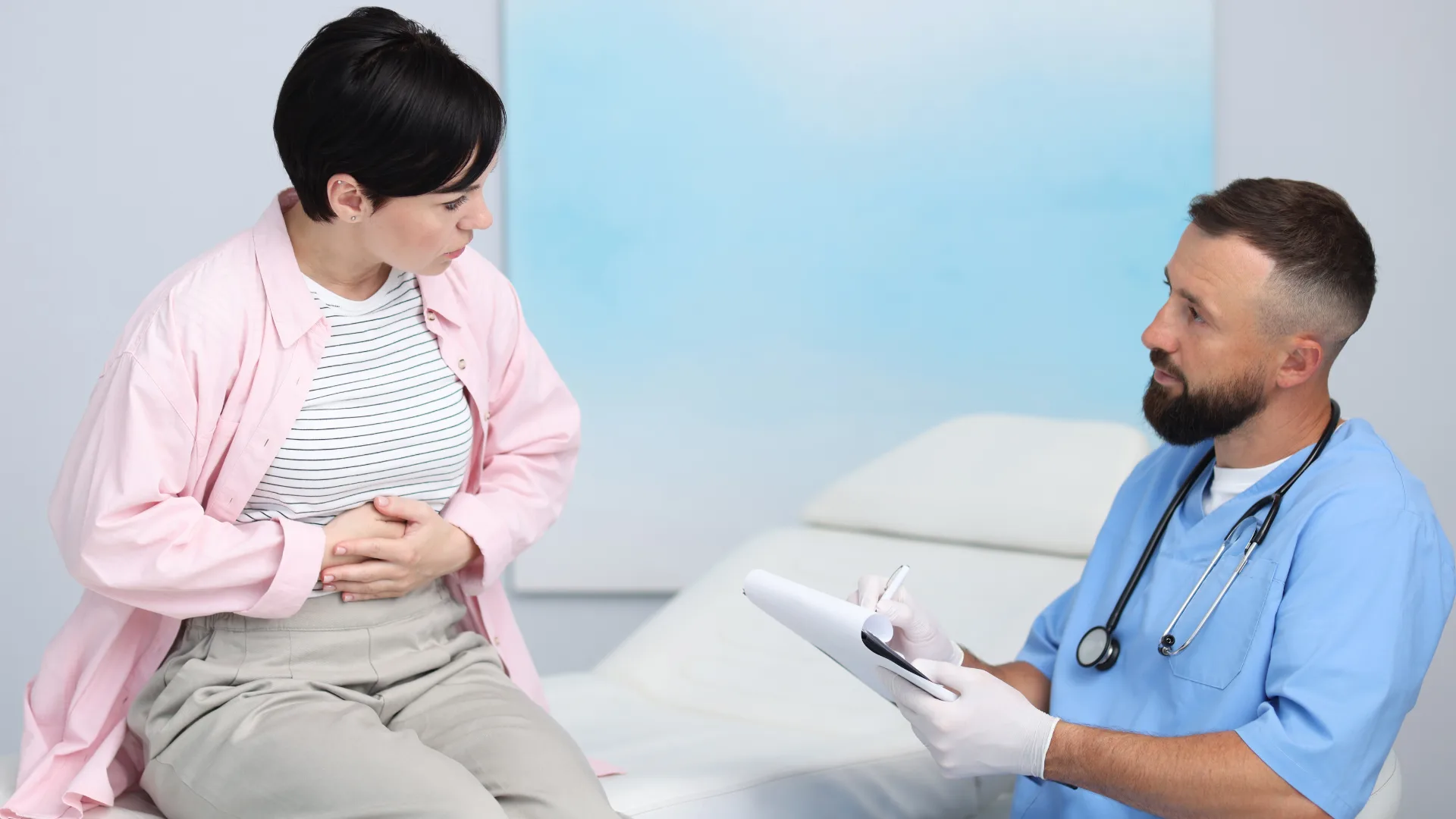
What Is the Most Painful Step in IVF?
For many couples, IVF is not just a medical procedure; it is an emotional battlefield, a test of endurance, and a journey fueled by hope in the face of tremendous uncertainty. You prepare yourself mentally, you read everything you can find, and you still find yourself asking the one question every patient quietly wonders:
The answer is not as simple as pointing to one moment on a calendar. IVF pain is layered. Some stages hit harder physically. Others crush you emotionally. And the worst part? The hardest step is different for almost every patient who goes through it.
This guide breaks down every stage of IVF, the injections, the procedures, the waiting, with complete honesty about what the science says, what real patients experience, and what you can actually do to manage it. Whether you are preparing for your first cycle or trying to understand a loved one’s experience, this is the breakdown no one else will give you.

Understanding the IVF Journey Step-by-Step
Before we talk about pain, you need a clear map of the territory. IVF is not a single procedure; it is a carefully sequenced series of stages, each with its own physical and emotional demands.
Ovarian stimulation phase (daily injections)
This is where IVF truly begins. For approximately 8–14 days, a patient self-administers hormone injections, typically gonadotropins like FSH (follicle-stimulating hormone) and LH (luteinizing hormone), designed to stimulate the ovaries to produce multiple eggs simultaneously.
Under normal circumstances, a woman’s body produces one mature egg per cycle. During IVF stimulation, the goal is to produce 8–15 eggs or more. This aggressive hormonal push causes the ovaries to enlarge significantly, which leads to:
- Lower abdominal bloating and pressure
- Mood swings and emotional volatility
- Fatigue and breast tenderness
- Injection-site bruising and soreness
For most patients, this phase is manageable but relentless. It is not one bad moment; it is two weeks of daily discomfort layered on top of an already anxious mindset.
Egg retrieval procedure
Egg retrieval is performed under ultrasound guidance. A thin needle is passed through the vaginal wall into each ovarian follicle to aspirate (suction out) the fluid containing the egg. This is typically done under sedation or light anesthesia, and the procedure itself takes 15 to 30 minutes.
Most patients do not feel the needle during retrieval. However, what follows, the cramping, spotting, and pelvic soreness in the hours and days after, ranges from mild to genuinely debilitating depending on how many follicles were accessed and individual pain tolerance.
Embryo transfer stage
After fertilization occurs in the lab, one or more embryos are transferred into the uterus through a thin catheter inserted via the cervix. Most patients describe this as feeling similar to a Pap smear, some pressure, mild cramping, and general discomfort. Sedation is rarely used.
While not the most physically intense step, the emotional weight of this moment is enormous. This is the point where everything you have endured becomes real, and where the uncertainty truly begins.
The two-week wait is the most underrated source of pain
After the embryo transfer, you wait approximately 14 days for a pregnancy test. There are no procedures. No action to take. Just waiting, and this psychological suspension is what many patients say is the hardest thing they have ever done.
Every twinge, every cramp, every symptom (or lack of symptom) becomes a source of interpretation and anxiety. The two-week wait is where emotional pain peaks for the majority of IVF patients.
The Most Painful Step in IVF: Medical vs Emotional Reality
Here is the truth that most clinical resources avoid saying plainly: the most painful step depends entirely on whether you are measuring physical pain or emotional suffering. They do not always align, and both are real, valid, and deserving of attention.
Egg retrieval is the physical peak pain stage
From a purely physical standpoint, egg retrieval is almost universally cited as the most intense procedure in IVF. Here is why:
By the time retrieval occurs, the ovaries have been stimulated for nearly two weeks. They are swollen, enlarged, and extraordinarily sensitive. The retrieval needle punctures each follicle individually. If a patient produces 10,15 follicles, that means 10,15 separate needle aspirations.
Even with sedation, many patients report significant post-procedure cramping that can last 24,48 hours. In cases of ovarian hyperstimulation syndrome (OHSS), a complication where the ovaries over-respond to stimulation, the pain and bloating can be severe enough to require medical intervention.
Hormone injections, the daily emotional burden
What egg retrieval delivers in a single acute episode, the stimulation phase delivers slowly, cumulatively. Many patients say that by day 10 or 12 of injections, the physical discomfort is almost secondary to the emotional exhaustion of doing it again. And again. And again.
Injection sites become bruised and sensitive. The hormones themselves induce mood swings that feel disproportionate and uncontrollable. Partners and family members often report that this phase changes the person they know, not permanently, but in ways that feel alarming in the moment.
The silent pain of the waiting period
Clinically, the two-week wait causes no physical pain at all. And yet study after study in reproductive psychology identifies this period as the most psychologically distressing phase of IVF treatment.
The absence of action is its own form of suffering. Patients who have successfully managed injections and retrieval often describe the waiting period as the moment they felt most out of control, which, for people accustomed to solving problems through action, is uniquely painful.
IVF Pain Comparison: Which Stage Hurts the Most?
To put the pain picture in perspective, here is how each major stage typically ranks across three dimensions: physical intensity, emotional burden, and duration of discomfort.
Injection pain vs retrieval pain vs transfer pain
Injection pain is short-lived, a few seconds of discomfort per injection, repeated daily. Retrieval pain is acute and concentrated in a single day, with post-procedure soreness lasting 1,3 days. Transfer pain is typically mild and brief, comparable to routine gynecological exams.
If you are asking which single moment hurts the most, egg retrieval wins. If you are asking what wears patients down the most over time, the cumulative weight of injections and waiting is the true answer.
Physical pain vs emotional pain
Research published in reproductive medicine journals consistently shows that psychological distress during IVF, anxiety, depression, and fear of failure are frequently more debilitating than any procedural discomfort. Women who report the highest levels of emotional distress during treatment also tend to report higher perception of physical pain, which tells us something important: the body and the mind are not separate systems during IVF.
Patient experiences, what most women report
In patient surveys, the most commonly cited “hardest moment” in IVF is not the egg retrieval needle. It is receiving a negative pregnancy test after a successful transfer. That single phone call, after weeks of injections, procedures, hope, and sacrifice, is described by patients as devastating in a way that no physical procedure compares to.
This is the most painful step in IVF that no one in the clinical brochure tells you to prepare for.
Why IVF Feels Painful Even When Procedures Are Mild
Some patients breeze through egg retrieval. Others find the injections barely noticeable. Yet the same patients describe IVF as one of the most painful experiences of their lives. Why?
Hormonal imbalance effects on mood
The stimulation hormones used in IVF are powerful. They do not just act on the ovaries; they affect the brain’s emotional regulation systems. Estrogen surges during stimulation are associated with heightened emotional sensitivity, which means things that would not normally upset you can feel overwhelming during an IVF cycle.
The anxiety and infertility stress cycle
Infertility itself is a form of grief, a recurring, ambiguous loss that most people around you do not fully understand. By the time most patients begin IVF, they have often already been through months or years of trying, testing, and disappointment. They arrive at the IVF clinic carrying that weight, and every stage of treatment reactivates it.
Expectations vs reality gap
Many patients go into IVF believing it will work the first time, because statistically, it might. But IVF success rates vary significantly by age and individual factors. When reality diverges from the hope patients have carefully constructed, the pain of that gap is profound and not always acknowledged by clinical care teams.
Fear of treatment failure
Every injection, every monitoring appointment, every embryo update is shadowed by one question: Is this going to work? That constant background fear is exhausting in a way that no anesthetic can address. And it makes every physical discomfort feel more significant, because every physical discomfort represents stakes.
How Doctors Reduce Pain in IVF Procedures
The good news: modern fertility medicine has advanced significantly in its ability to manage both physical and emotional pain during IVF. You do not have to simply endure.
Sedation during egg retrieval
The standard of care in most reputable fertility clinics now involves conscious sedation or light general anesthesia for egg retrieval. This means the majority of patients experience the procedure as a haze; they are aware but comfortable, and wake with little memory of the aspiration itself. If your clinic does not offer sedation, it is absolutely appropriate to ask why and to seek a second opinion.
Pain management medications
Post-retrieval, over-the-counter NSAIDs like ibuprofen are often recommended for cramping. In more intense cases, your doctor may prescribe stronger pain relief. Do not assume you should just push through; communicate your pain level clearly with your care team.
Advanced needle-free injection options
For patients with extreme needle anxiety, some clinics now offer auto-injector devices or needle-free injection systems that reduce injection discomfort significantly. Pen injectors are also available for some medications and are often preferred over syringes by patients managing injections independently.
Psychological counseling support
Accredited fertility clinics increasingly integrate mental health professionals into the IVF care team. Cognitive behavioral therapy (CBT), mindfulness-based stress reduction (MBSR), and individual counseling have all demonstrated effectiveness in reducing psychological distress during IVF, and in some studies, have been associated with improved treatment compliance and outcomes.
How to Cope With IVF Pain, Physical and Emotional
Pain management in IVF is not passive. There are concrete steps you can take at every stage to reduce your suffering and protect your resilience.
Before treatment preparation tips
- Meet with a fertility counselor or therapist before your first cycle, not after you are already in crisis
- Build a clear support network, identify who you will call on hard days
- Ask your clinic to walk you through every procedure in advance, including what sedation options are available
- Practice injection technique with saline before your medications arrive; familiarity reduces fear
- Start gentle, non-intense movement practices like walking or yoga that you can maintain throughout treatment
During the IVF cycle, coping strategies that work
- Rotate injection sites consistently to reduce bruising and localized soreness
- Apply a cold pack briefly before injections to numb the skin
- Avoid comparing your cycle to others’; follicle counts, estrogen levels, and transfer timelines vary enormously
- Set “information boundaries”, limit how often you research symptoms or outcomes during the two-week wait
- Keep a short daily journal: one thing you are grateful for, one thing you are worried about, one thing that made you smile
Emotional resilience techniques
IVF puts your emotional regulation skills under extraordinary pressure. Mindfulness practices, even five minutes per day of slow, deliberate breathing, have been shown to measurably reduce anxiety during fertility treatment. So has structured connection with others who understand: fertility support groups, both online and in person, provide a form of validation and solidarity that friends and family, however well-meaning, often cannot.
Partner support: why it matters more than most realize
IVF is experienced asymmetrically. The physical burden falls almost entirely on the person carrying out the biological process. Partners who do not acknowledge that asymmetry, who treat IVF as “something we are both going through equally”, often inadvertently increase the emotional burden on the patient.
If you are the non-carrying partner, be present at appointments. Ask what kind of support is needed, whether that is practical help, emotional validation, or simply quiet company. And do not minimize the pain you cannot see.
Common Mistakes That Increase IVF Pain Experience
Some of the suffering around IVF is unavoidable. But some of it is compounded by patterns that can be changed.
Ignoring emotional support
Seeking psychological support during IVF is not a sign of weakness; it is a sign of self-awareness. Patients who delay or decline mental health support often find themselves depleted by the mid-cycle point, with less resilience available for the hardest moments still to come.
Poor lifestyle habits during treatment
Alcohol, smoking, poor sleep, and high-stress sedentary behavior all have documented negative effects on IVF outcomes and on subjective pain experience. The stimulation phase in particular demands adequate rest and nutrition to support what your body is being asked to do.
Not asking about sedation options
A surprising number of patients undergo egg retrieval without adequate sedation simply because they did not ask. Clinics vary in their default protocols. Always explicitly ask: “What sedation is available for retrieval, and what do you recommend for my specific situation?”
Stress amplification behaviors
Spending hours daily reading forums, tracking every symptom against online databases, and catastrophizing early signs of discomfort dramatically increases perceived pain and anxiety. This is not about toxic positivity; it is about protecting your bandwidth for the journey ahead.
- Egg retrieval is the most physically intense IVF procedure, but sedation makes it manageable for most patients
- Daily hormone injections cause cumulative physical and emotional fatigue over the stimulation phase
- The two-week wait is consistently rated as the most psychologically painful part of IVF
- A failed cycle is the single most devastating moment most IVF patients experience
- Pain, physical and emotional, is manageable with the right preparation, support, and medical care