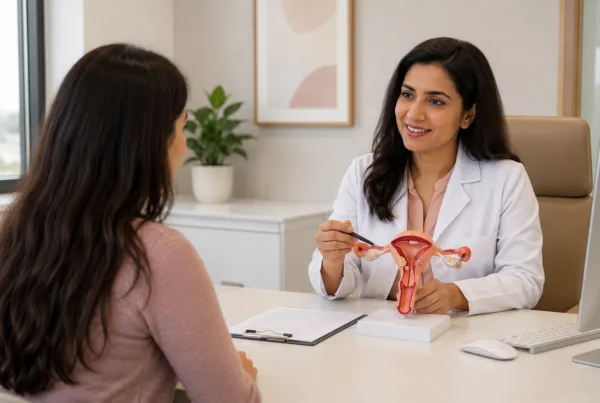
The five common causes of female infertility are ovulation disorders, age-related fertility decline, fallopian tube problems, uterine abnormalities, and endometriosis. Other factors such as PCOS, thyroid disorders, diminished ovarian reserve, lifestyle factors, and some medical conditions can also affect fertility. A fertility evaluation can help identify the underlying cause and guide appropriate treatment.
Understanding Female Infertility
Female infertility refers to the inability to achieve pregnancy after regular, unprotected intercourse for a specific period:
- Women under 35: after 12 months of trying to conceive
- Women over 35: after 6 months of trying to conceive
Infertility may be caused by female factors, male factors, or a combination of both. In some cases, the exact cause may remain unexplained, which is why a complete fertility evaluation is important.

What Are the Top 5 Causes of Female Infertility?
The five common causes of female infertility are:
- Ovulation disorders, including PCOS and hormonal problems
- Age-related decline in fertility, including changes in egg quantity and quality
- Blocked or damaged fallopian tubes
- Uterine problems, such as fibroids, polyps, or adhesions
- Endometriosis and other reproductive conditions
Female infertility can also be influenced by diminished ovarian reserve, thyroid disorders, lifestyle factors, and certain medical conditions. Testing is needed to determine the specific cause.
1. Ovulation Disorders and Hormonal Problems
Ovulation disorders are one of the most common causes of female infertility. Ovulation is the release of a mature egg from the ovary. If ovulation is irregular or does not occur, an egg may not be available for fertilisation.
Common conditions that can interfere with ovulation include:
- Polycystic ovary syndrome (PCOS)
- Thyroid disorders
- Hormonal imbalances
- High prolactin levels
- Premature ovarian insufficiency
- Significant weight changes
- Certain medical conditions
Irregular or absent periods can sometimes indicate an ovulation problem, although some women with ovulatory disorders may have few obvious symptoms.
Doctors may assess ovulation using medical history, hormone testing, ultrasound, and other fertility investigations depending on the individual situation.
2. Age-Related Decline in Female Fertility
Female fertility gradually declines with age, largely because the number and quality of available eggs decrease over time. The decline becomes more noticeable during the 30s and becomes more significant as age increases.
Age can affect:
- Egg quantity
- Chance of conception
- Risk of miscarriage
- Risk of chromosome abnormalities
- Egg quality
A fertility specialist may assess reproductive health using medical history, ultrasound, and, when appropriate, ovarian reserve testing.
3. Blocked or Damaged Fallopian Tubes
Fallopian tube problems are an important cause of female infertility because the tubes provide the pathway where sperm and egg normally meet. If a tube is blocked or damaged, fertilisation may be affected.
Common causes include:
- Previous pelvic infections
- Pelvic inflammatory disease (PID)
- Some sexually transmitted infections
- Previous pelvic or abdominal surgery
- Endometriosis
Blocked fallopian tubes may not always cause noticeable symptoms. A fertility specialist may recommend testing such as hysterosalpingography (HSG) to assess whether the tubes are open.
4. Uterine Problems That Can Affect Fertility
Problems involving the uterus can sometimes interfere with implantation or pregnancy. Examples include:
- Fibroids: Non-cancerous growths that may affect fertility depending on their size and location.
- Endometrial polyps: Growths within the uterine cavity that may interfere with implantation.
- Uterine adhesions: Scar tissue inside the uterus that can develop after certain procedures or infections.
- Structural abnormalities: Some congenital differences in the shape of the uterus may affect reproductive outcomes.
Depending on symptoms and medical history, evaluation may include pelvic or transvaginal ultrasound, saline sonography, or hysteroscopy.
5. Endometriosis and Other Reproductive Conditions
Endometriosis is a condition where tissue similar to the uterine lining grows outside the uterus. It can affect fertility by causing inflammation, scarring, and damage to reproductive organs.
Women with endometriosis may experience:
- Severe menstrual pain
- Pelvic pain
- Pain during intercourse
- Difficulty becoming pregnant
Other conditions linked with female infertility include:
- Ovarian cysts
- Premature ovarian insufficiency
- Autoimmune disorders
- Genetic factors
Proper diagnosis allows specialists to create a treatment plan based on each woman’s needs.
Are Female Infertility and Male Infertility the Same?
No. Female and male infertility can have different causes, and infertility may involve one or both partners. Female factors can include ovulation disorders, fallopian tube problems, endometriosis, and uterine conditions. Male factors may involve sperm production, sperm movement, or sperm delivery.
For this reason, fertility assessment often considers both partners rather than assuming that infertility is caused only by the woman.
This is important because your current article is heavily “female-only,” but medically infertility evaluation should not automatically put responsibility on the woman. Almond Blossoms notes that infertility can involve female factors, male factors, or both, which includes semen analysis as part of the basic workup.
What Is the Most Common Cause of Female Infertility?
Ovulation disorders are one of the most common causes of female infertility. Conditions such as PCOS, hormonal disorders, and some thyroid or pituitary problems can interfere with regular ovulation. However, infertility can have multiple causes, including age-related fertility decline, fallopian tube problems, uterine abnormalities, and endometriosis. A fertility evaluation is needed to identify the cause in an individual patient.
What Are the Signs of Female Infertility?
Female infertility does not always cause obvious symptoms. The main sign is difficulty becoming pregnant despite regular, unprotected intercourse.
Some signs that may warrant fertility evaluation include:
- Irregular or absent periods
- Very painful periods
- Pelvic pain
- History of pelvic infection
- Previous reproductive surgery
- Repeated pregnancy loss
- Known PCOS, endometriosis, or other reproductive conditions
- Difficulty becoming pregnant despite regular attempts
Some fertility conditions can exist without noticeable symptoms, which is why appropriate evaluation is important.
When Should You See a Fertility Specialist?
Consider speaking with a fertility specialist if:
- You are under 35 and have been trying to conceive for 12 months without success.
- You are 35 or older and have been trying for 6 months without success.
- You are over 40 and want to discuss fertility evaluation sooner.
- You have irregular or absent periods.
- You have known endometriosis, PCOS, or another reproductive condition.
- You have a history of pelvic infection or reproductive surgery.
- You have experienced recurrent pregnancy loss.
Other Factors That Can Affect Female Fertility
Apart from the top causes of infertility, several lifestyle and health factors may influence reproductive health.
These include:
Weight and Nutrition
Being significantly underweight or overweight may affect hormone balance and ovulation.
Smoking and Alcohol Use
Smoking can reduce egg quality and affect reproductive organs. Excessive alcohol consumption may also impact fertility.
Stress and Mental Health
Long-term stress may influence hormones and emotional well-being during the fertility journey.
At Almond Blossoms Care, we understand that infertility affects emotional health as well as physical health. Our Interpersonal Difficulties and Marital Issues support helps couples manage communication challenges and emotional stress during difficult times.
Female Infertility Evaluation in Dubai
If you are trying to conceive in Dubai and are concerned about female infertility, a fertility evaluation can help identify possible causes such as ovulation disorders, hormonal problems, fallopian tube abnormalities, uterine conditions, or endometriosis.
At Almond Blossoms Fertility and Wellbeing Center, fertility care can include personalised assessment and treatment planning based on your medical history, reproductive goals, and individual needs.
Depending on the findings, your fertility specialist may discuss options such as hormonal treatment, ovulation induction, IUI, IVF or other appropriate interventions.
Female Infertility Causes at a Glance
| Cause | How it may affect fertility | Common evaluation |
|---|---|---|
| Ovulation disorders | Prevent or disrupt regular egg release | Hormone tests, ultrasound, medical history |
| Age-related fertility decline | Egg quantity and quality decrease with age | Medical history, ultrasound, ovarian reserve assessment |
| Blocked fallopian tubes | Can prevent sperm and egg from meeting | HSG and other imaging/testing |
| Uterine problems | May affect implantation or pregnancy | Ultrasound, sonography, hysteroscopy |
| Endometriosis | May cause inflammation, adhesions and reproductive changes | Medical history, imaging and specialist assessment |
How Is Female Infertility Diagnosed?
A fertility specialist may recommend different tests depending on your medical history.
Common fertility evaluations include:
Medical History Review
Your doctor may ask about:
- Menstrual cycle patterns
- Previous pregnancies
- Medical conditions
- Previous surgeries
- Lifestyle factors
Hormone Testing
Blood tests can evaluate:
- Ovulation hormones
- Thyroid function
- Ovarian reserve
Ultrasound Examination
A pelvic or transvaginal ultrasound helps examine:
- Ovaries
- Uterus
- Follicle development
Fallopian Tube Testing
Tests like HSG can identify blockages or abnormalities.
Treatment Options for Female Infertility
Treatment depends on the cause, age, fertility goals, and overall health.
Common fertility treatments include:
Lifestyle Changes
Improving nutrition, maintaining a healthy weight, reducing stress, and avoiding harmful substances may support fertility.
Fertility Medications
Medications may help regulate hormones and stimulate ovulation.
Intrauterine Insemination (IUI)
IUI places prepared sperm directly into the uterus around ovulation time.
Read more about IUI treatment.
In Vitro Fertilisation (IVF)
IVF involves fertilising eggs and sperm in a laboratory before transferring the embryo into the uterus.
Explore our IVF and ICSI services for advanced fertility solutions.
Fertility Counselling
The emotional impact of infertility can be overwhelming. Professional counselling can help individuals and couples manage stress, anxiety, and relationship challenges.
When Should You See a Fertility Specialist?
Consider seeking professional fertility advice if:
- You have been trying to conceive for 12 months without success
- You are over 35 and have been trying for 6 months
- You have irregular periods
- You have a history of pelvic infections
- You have experienced repeated pregnancy loss
- You have known reproductive health conditions
Early evaluation can help identify problems sooner and improve treatment options.
Conclusion: Understanding the Causes of Female Infertility Can Help You Take the Next Step
The top five causes of female infertility include ovulation disorders, age-related fertility decline, fallopian tube problems, uterine abnormalities, and conditions such as endometriosis.
Every woman’s fertility journey is different, and the right treatment depends on identifying the underlying cause. With advanced fertility care, emotional support, and personalised treatment planning, many women can successfully achieve pregnancy.
If you are experiencing difficulty conceiving, Almond Blossoms Care provides compassionate fertility evaluation, IVF support, counselling, and reproductive health services designed around your individual needs.
→ Book a Consultation in Dubai
→ Website
Frequently Asked Questions (FAQs)
What are the top 5 causes of female infertility?
The five common causes are ovulation disorders, age-related fertility decline, blocked or damaged fallopian tubes, uterine problems, and endometriosis. Other factors, including some hormonal and medical conditions, can also affect fertility.
What is the most common cause of female infertility?
Ovulation disorders are one of the most common causes of female infertility.PCOS and other hormonal conditions can interfere with regular ovulation.
What are the main causes of infertility in women?
Common causes include ovulation problems, age-related fertility decline, fallopian tube blockage, uterine abnormalities, and endometriosis. In some cases, no specific cause is identified.
When should I see a fertility specialist?
Women under 35 are generally advised to seek evaluation after 12 months of trying to conceive, while women 35 or older should consider evaluation after 6 months. Women over 40 may benefit from discussing fertility evaluation sooner.
Can female infertility be treated?
Many causes of female infertility can be treated or managed. Depending on the underlying cause, treatment may include medication, ovulation induction, surgery, IUI, IVF, or other fertility treatments.