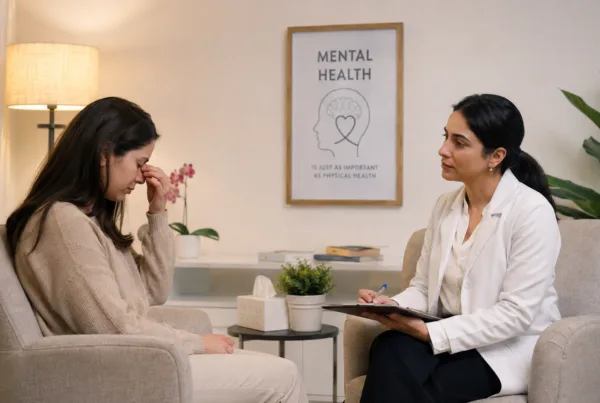
An unhealthy relationship can affect your emotional wellbeing, mental health, and even your physical health. Constant arguments, poor communication, lack of trust, or feeling emotionally disconnected may indicate deeper relationship problems. Recognising the signs of an unhealthy relationship is the first step towards rebuilding trust, improving communication, and creating a healthier connection with your partner.
What Are the 5 Signs of an Unhealthy Relationship?
Every relationship experiences challenges, but persistent negative patterns can gradually damage emotional intimacy and mutual respect. Understanding these warning signs can help you identify interpersonal difficulties and decide when to seek professional support.
1. Poor Communication and Frequent Arguments
Healthy communication allows couples to express their feelings, discuss disagreements, and understand each other’s perspectives. In an unhealthy relationship, conversations may frequently turn into arguments, criticism, or silence.
You may notice that:
- Small disagreements regularly become major arguments.
- Your partner dismisses your feelings or refuses to listen.
- You avoid discussing important issues because you fear conflict.
- Conversations involve blaming, shouting, or personal criticism.
Poor communication can create emotional distance and make it difficult to resolve marriage problems. Over time, unresolved disagreements may lead to frustration, resentment, and loneliness.
How to improve it: Practise active listening, use calm and respectful language, and express your feelings using statements such as “I feel unheard when we do not discuss our concerns.” Couples counselling can also help you develop healthier communication habits.
2. Lack of Trust and Constant Jealousy
Trust is an essential part of a healthy relationship. When trust is missing, one or both partners may experience insecurity, jealousy, or a constant need for reassurance.
Some common warning signs include:
- Frequently checking your partner’s phone or social media.
- Feeling suspicious without clear reasons.
- Constantly questioning your partner’s activities or friendships.
- Experiencing repeated dishonesty or broken promises.
Although occasional jealousy can occur in relationships, persistent suspicion and controlling behaviour can negatively affect emotional wellbeing.
How to improve it: Discuss the underlying reasons for mistrust and establish clear, mutually agreed boundaries. Rebuilding trust requires consistent honesty, accountability, and time. If controlling behaviour or intimidation is present, prioritising your safety is essential.

3. Emotional Neglect and Lack of Support
Emotional intimacy involves feeling understood, valued, and supported by your partner. When emotional needs are repeatedly ignored, you may begin to feel disconnected, even when you spend considerable time together.
Signs of emotional neglect may include:
- Your partner regularly ignores your emotional concerns.
- You feel lonely or unsupported within the relationship.
- Your achievements, feelings, or personal difficulties are dismissed.
- You hesitate to share your worries because you expect little understanding.
Emotional neglect can contribute to stress, low self-esteem, anxiety, and other mental health difficulties. For couples experiencing fertility challenges, the absence of emotional support may make an already demanding experience feel more isolating.
How to improve it: Make time for meaningful conversations, acknowledge each other’s feelings, and communicate your emotional needs clearly. Individual therapy or couples counselling may help you understand recurring patterns and strengthen emotional connection.
4. Controlling Behaviour and Disrespect
A healthy relationship respects each partner’s independence, personal boundaries, and individual choices. Controlling behaviour occurs when one partner repeatedly attempts to restrict or dominate the other’s decisions, activities, or relationships.
Warning signs can include:
- Controlling what you wear, where you go, or whom you meet.
- Making important decisions without considering your needs.
- Using insults, humiliation, or threats during disagreements.
- Making you feel guilty for having personal boundaries.
Repeated disrespect can undermine confidence and create an environment of fear or emotional insecurity. Controlling behaviour may also be part of emotional abuse, particularly when it involves intimidation, isolation, or threats.
How to improve it: Clearly identify your boundaries and seek support from a qualified mental health professional if it is safe to do so. If you feel threatened or unsafe, prioritise your immediate safety and reach out to a trusted person or appropriate local support service. Abuse is not simply a communication problem, and couples counselling may not be appropriate where coercion or violence is present.
5. Constant Criticism and Emotional Disconnection
Constructive feedback can help partners grow, but repeated criticism, humiliation, and negative comparisons can damage self-esteem and emotional intimacy.
You may be experiencing this pattern if:
- Your partner frequently criticises your appearance, decisions, or abilities.
- You feel that nothing you do is ever good enough.
- Affection and meaningful conversations have become uncommon.
- You feel emotionally exhausted after spending time together.
Over time, constant negativity can make partners withdraw emotionally and reduce their willingness to resolve relationship problems. This may lead to a cycle of criticism, defensiveness, and further disconnection.
How to improve it: Focus on respectful feedback, acknowledge positive efforts, and discuss concerns without personal attacks. If emotional disconnection continues, professional relationship support can help you explore the underlying issues and identify practical ways to reconnect.
How Can an Unhealthy Relationship Affect Your Mental Health?
Relationship problems do not always remain limited to interactions between partners. When conflict, emotional neglect, or a lack of trust becomes persistent, it can affect your mental and emotional wellbeing.
Some possible effects include:
- Anxiety and stress: Ongoing disagreements or uncertainty may make you feel constantly worried about your relationship.
- Low self-esteem: Repeated criticism, rejection, or disrespect can affect how you see yourself.
- Emotional exhaustion: Managing unresolved conflicts can leave you feeling mentally drained and less able to focus on everyday activities.
- Social isolation: Controlling behaviour or ongoing relationship difficulties may cause you to withdraw from friends and family.
- Sleep difficulties: Persistent worry and emotional distress can interfere with your ability to relax and sleep well.
Not everyone experiences these effects in the same way, and having relationship difficulties does not automatically mean you have a mental health condition.
If relationship stress is affecting your daily life, speaking with a psychologist can help you understand your emotional responses, develop coping strategies, and explore practical ways to improve your wellbeing.
How Do Fertility Challenges Affect Relationships?
Fertility challenges can introduce additional emotional and interpersonal difficulties for couples. Fertility investigations and treatments such as in vitro fertilisation (IVF), which involves fertilising an egg with sperm in a laboratory, can bring uncertainty, financial considerations, and emotional pressure.
Partners may respond differently to treatment decisions, medical appointments, unsuccessful cycles, or concerns about the future. These differences can sometimes lead to misunderstandings or emotional distance.
Psychological support alongside fertility care can help couples discuss difficult feelings, manage treatment-related stress, and maintain emotional connection. At Almond Blossoms, fertility treatment and mental wellbeing support can be considered together according to each person’s needs.
Can an Unhealthy Relationship Become Healthy Again?
Yes, some unhealthy relationship patterns can change when both partners are willing and able to recognise the problems and work towards healthier interactions. However, improvement is not guaranteed, and both partners must be able to participate freely and safely.
Here are some practical steps that may help:
- Recognise recurring patterns: Identify the situations that repeatedly lead to arguments, mistrust, or emotional disconnection.
- Improve communication: Listen without interrupting, express your concerns respectfully, and avoid blame or personal attacks.
- Establish healthy boundaries: Discuss your expectations around privacy, personal space, responsibilities, and emotional support.
- Make time for emotional connection: Spend quality time together and take an interest in each other’s experiences, feelings, and needs.
- Seek professional guidance: A psychologist or qualified relationship counsellor can help you understand interpersonal difficulties and develop appropriate strategies.
It is important to remember that you cannot repair a relationship on your own if the other person is unwilling to address harmful behaviour. Where there is abuse, coercion, or a risk to your safety, individual support and safety planning should take priority over attempts to improve the relationship together.
When Should You Seek Professional Help for Relationship Problems?
Occasional disagreements are a normal part of many relationships. However, professional support may be helpful when relationship problems become persistent, affect your mental health, or interfere with your everyday life.
Consider speaking with a psychologist if:
- You repeatedly experience the same unresolved arguments.
- You feel anxious, depressed, isolated, or emotionally overwhelmed because of your relationship.
- You struggle to express your feelings or communicate your needs.
- You have difficulty rebuilding trust after a significant disagreement or breach of trust.
- Fertility treatment or other major life changes are creating additional tension between you and your partner.
A psychologist can help you explore emotional patterns, develop healthier coping mechanisms, and understand your relationship needs without making assumptions or placing blame.
At Almond Blossoms, psychological support is part of an integrated approach to fertility and mental wellbeing. Depending on your circumstances, individual therapy, relationship counselling, or psychological support alongside fertility treatment may be considered.
Seeking help does not mean that your relationship has failed. It can be an opportunity to better understand yourself, clarify your needs, and make informed decisions about your wellbeing.
Conclusion
Recognising the signs of an unhealthy relationship can help you better understand your emotional needs and identify patterns that may be affecting your mental health. Poor communication, lack of trust, emotional neglect, controlling behaviour, and constant criticism can gradually weaken a relationship if they remain unaddressed.
Whether you are experiencing marriage problems, interpersonal difficulties, or emotional stress related to fertility treatment, professional psychological support can help you explore your concerns and develop healthier ways to manage them.
At Almond Blossoms, Dubai Healthcare City, psychological support is integrated with fertility care to address both emotional wellbeing and reproductive health.
If relationship challenges are affecting your peace of mind, book a consultation with our team to explore the support that may be right for you.
A Consultation in Dubai
→ Website
Frequently Asked Questions (FAQs)
What is the biggest sign of an unhealthy relationship?
There is no single sign that applies to every relationship. However, persistent disrespect, controlling behaviour, emotional neglect, and a lack of trust can indicate an unhealthy relationship, particularly when they repeatedly affect your emotional wellbeing.
Can poor communication ruin a relationship?
Poor communication can contribute to unresolved conflict, resentment, and emotional distance. Learning to listen actively, express feelings respectfully, and discuss disagreements constructively may help couples improve their connection.
How do you know if a relationship is affecting your mental health?
You may notice persistent anxiety, emotional exhaustion, low self-esteem, difficulty sleeping, or feelings of loneliness associated with your relationship. If these experiences interfere with your daily life, consider seeking guidance from a qualified mental health professional.
Can relationship counselling help couples with marriage problems?
Relationship counselling can help couples identify unhealthy communication patterns, understand each other’s perspectives, and develop strategies for resolving disagreements. Its suitability depends on the circumstances, particularly whether both partners can participate safely and voluntarily.
When should you leave an unhealthy relationship?
If a relationship involves violence, threats, coercive control, or ongoing abuse, your safety should come first. Consider reaching out to a trusted person, a qualified professional, or an appropriate local support service to discuss safe options. You do not need to wait for a situation to become more severe before seeking help.