Endometriosis is a chronic gynecological condition that affects millions of women worldwide. It is one of the leading causes of pelvic pain, painful periods, painful intercourse, and infertility. Because symptoms often persist for years, long-term management is essential for improving quality of life.
Recent medical research has highlighted a promising treatment approach using continuous Estetrol/Drospirenone (E4/DRSP) hormonal therapy, showing significant improvement in pain relief and symptom control in women with endometriosis.
At Almond Blossoms Healthcare (https://almondblossoms.care/), we are committed to sharing the latest evidence-based advancements in women’s health and fertility care to help patients make informed treatment decisions.
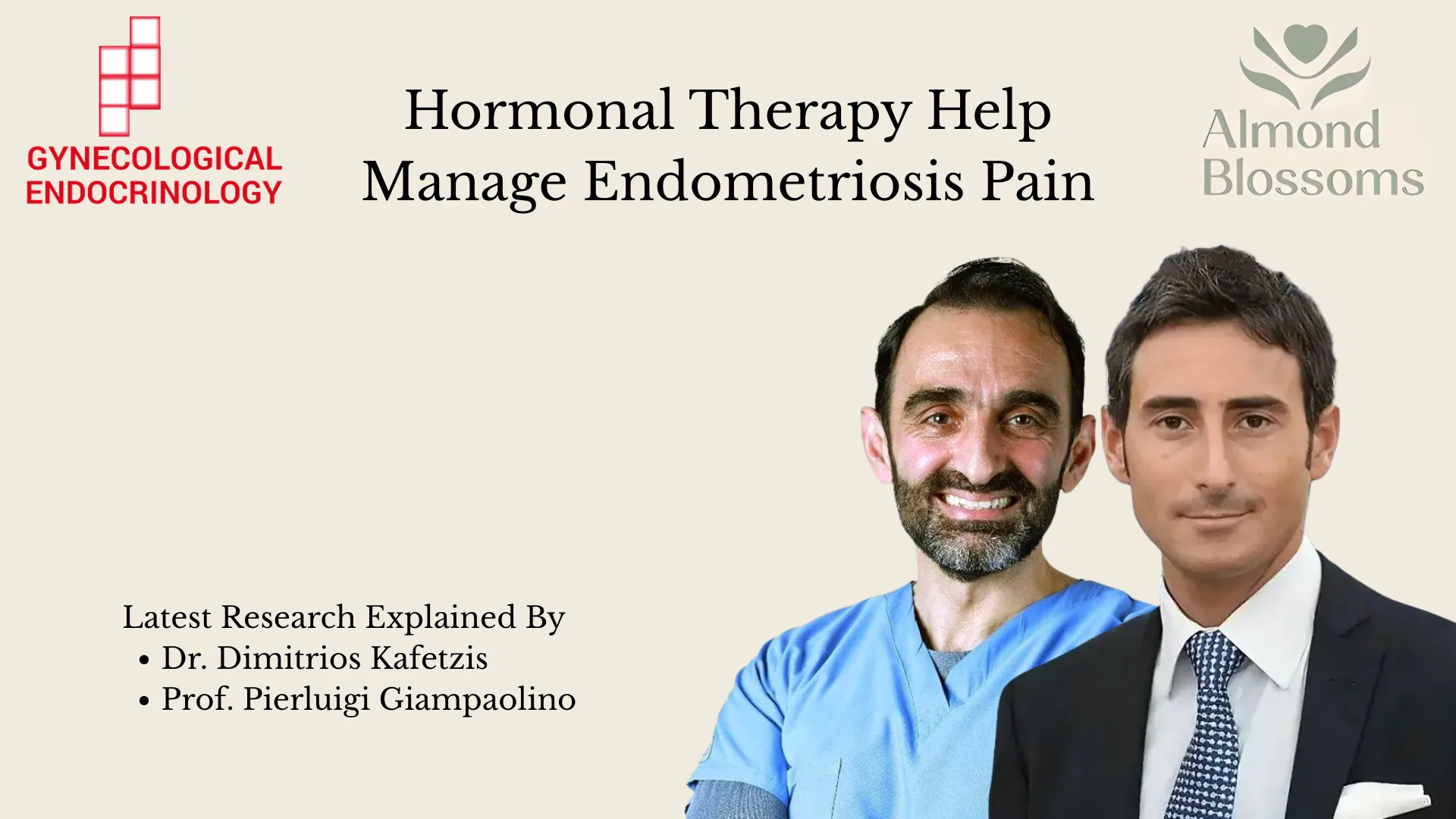
Dr. Dimitrios Kafetzis
Dr. Dimitrios Kafetzis is a highly experienced fertility specialist known for his patient-focused approach and advanced reproductive treatments. He specializes in IVF, fertility preservation, reproductive endocrinology, and personalized fertility care for couples facing infertility challenges. With years of clinical expertise, he helps patients through every stage of their fertility journey using modern techniques and compassionate guidance.
Key Expertise:
- IVF & ICSI Treatments
- Male & Female Infertility
- Fertility Preservation
- Reproductive Endocrinology
- Personalized Fertility Care

Prof. Pierluigi Giampaolino
Prof. Pierluigi Giampaolino is an expert in gynecology, reproductive medicine, and minimally invasive surgery. He is recognized for his advanced expertise in women’s reproductive health and fertility-related surgical procedures. His approach combines innovation, precision, and compassionate patient care to support couples seeking successful fertility outcomes.
Key Expertise:
- Reproductive Medicine
- Minimally Invasive Gynecological Surgery
- Fertility Treatments
- Women’s Reproductive Health
- Advanced Gynecological Care
What Is Endometriosis?
Endometriosis is a condition in which tissue similar to the uterine lining grows outside the uterus. These growths are commonly found on the ovaries, fallopian tubes, and pelvic lining.
Each month, this tissue behaves like uterine lining thickening, breaking down, and bleeding but since it has no way to exit the body, it leads to inflammation, pain, and scar tissue formation.
Studies suggest that up to 15% of women of reproductive age are affected by endometriosis globally.
Common Symptoms of Endometriosis
Women with endometriosis may experience a wide range of symptoms, including:
- Severe menstrual cramps (dysmenorrhea)
- Chronic pelvic pain
- Pain during or after intercourse (dyspareunia)
- Heavy or irregular menstrual bleeding
- Fatigue and low energy
- Difficulty conceiving
- Ovarian cysts (endometriomas)
These symptoms can significantly affect daily life, emotional well-being, and reproductive health.
What Is Continuous Estetrol/Drospirenone (E4/DRSP) Therapy?
A recent clinical study evaluated a continuous hormonal regimen combining:
- Estetrol (E4): a naturally occurring estrogen
- Drospirenone (DRSP): a synthetic progestin used in hormonal therapy
Unlike traditional contraceptive pills that include a monthly hormone-free interval, this therapy is taken continuously without breaks, preventing menstrual bleeding and hormonal fluctuations.
How it helps endometriosis:
- Suppresses menstruation
- Reduces inflammation
- Decreases hormonal stimulation of endometrial tissue
- Helps control chronic pelvic pain
- Stabilizes hormone levels
Key Findings From the Clinical Study
A retrospective study involving 40 women with confirmed endometriosis evaluated the effects of continuous E4/DRSP therapy over six months.
1. Significant Reduction in Pelvic Pain
- Baseline pain score: 6
- After 3 months: 2
- After 6 months: 0
2. Improved Pain During Intercourse
- Baseline score: 8
- After 3 months: 4
- After 6 months: 2
3. Near Elimination of Period Pain
Because menstruation was suppressed, dysmenorrhea was significantly reduced in most patients.
4. Reduction in Endometriomas
- Average lesion size reduced by approximately 30%
- Some ovarian cysts disappeared completely
5. Improved Quality of Life
Patients reported better physical comfort, emotional balance, and daily functioning after treatment.

Why Continuous Hormonal Therapy Works Better
Traditional hormonal treatments often include a hormone-free interval, which allows menstrual bleeding. However, in women with endometriosis, this can trigger inflammation and pain flare-ups.
Continuous therapy helps by:
- Maintaining stable hormone levels
- Preventing monthly bleeding cycles
- Reducing inflammation
- Minimizing pain recurrence
This makes it a more effective long-term management option for many patients.
Benefits of Estetrol-Based Therapy
Researchers believe Estetrol may offer additional advantages, including:
- More selective estrogen receptor activity
- Lower stimulation of endometriotic tissue
- Better hormonal balance support
- Potential long-term safety benefits
These properties make it a promising option for managing endometriosis symptoms.
Possible Side Effects
The treatment was generally well tolerated, but some mild side effects were reported:
- Light spotting or breakthrough bleeding
- Headache
- Breast tenderness
- Mild fatigue
No serious adverse effects were observed during the study.
What These Findings Mean for Women With Endometriosis
Although larger clinical trials are still needed, the findings suggest that continuous E4/DRSP therapy may help:
- Reduce chronic pelvic pain
- Improve painful intercourse
- Control menstrual-related symptoms
- Shrink endometriotic lesions
- Enhance overall quality of life
This treatment represents a promising non-surgical option for long-term symptom management.
Personalized Women’s Health Care at Almond Blossoms Healthcare
At Almond Blossoms Healthcare (https://almondblossoms.care/), we provide specialized care for women dealing with hormonal disorders, fertility challenges, and reproductive health conditions.
Our services include:
- Endometriosis diagnosis and management
- Fertility evaluation and treatment
- Hormonal imbalance correction
- Advanced gynecological care
- Personalized treatment planning
We focus on compassionate, evidence-based care tailored to each patient’s needs.
About the Researchers Behind This Study
This important research was conducted by a team of specialists in gynecology, reproductive medicine, and endometriosis care from the University of Naples Federico II, Italy, and Orchid Reproductive & Andrology Services, Dubai.
The authors include:
- Michela Dell’Aquila
- Luigi Della Corte
- Dimitrios Kafetzis
- Giuseppe Bifulco
- Costantino Di Carlo
- Pierluigi Giampaolino
Their research focused on evaluating how continuous Estetrol/Drospirenone therapy may improve pain management, reduce endometriosis-related symptoms, and enhance quality of life in women living with endometriosis.
Read the Full Research Study
For more scientific details, you can read the original study here:
Continuous Estetrol/Drospirenone Regimen Study
Final Thoughts
Endometriosis is a complex condition that requires long-term and personalized management. Emerging research on continuous hormonal therapy, especially Estetrol/Drospirenone (E4/DRSP), shows promising results in reducing pain, controlling symptoms, and improving quality of life.
With ongoing advancements in women’s health research, more effective and less invasive treatment options are becoming available, giving women better control over their health and well-being.