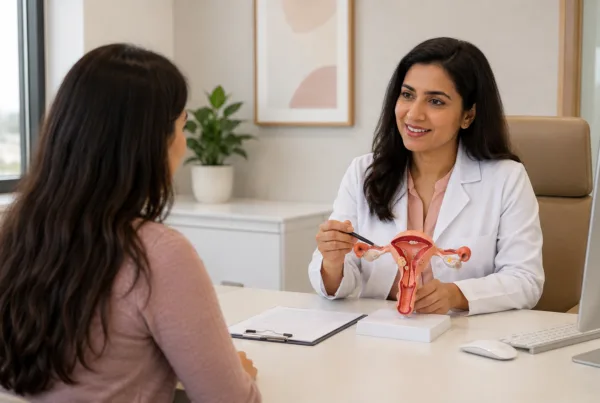
Yes, you can have another baby after experiencing postpartum depression. Having postpartum depression after a previous pregnancy does not mean you cannot become pregnant again or experience a healthy pregnancy. However, planning another baby involves more than physical readiness. Your emotional recovery, mental health history, treatment plan, and support system are equally important.
If you are considering another pregnancy in Dubai, understanding the possible risks and preparing with fertility and mental health specialists can help you approach this decision with greater confidence.
1. Can You Have Another Baby After Postpartum Depression?
Absolutely. Postpartum depression is a treatable mental health condition, and many women go on to have more children after recovering from it.
Postpartum depression (PPD) is a form of depression that develops after childbirth. It can cause persistent sadness, anxiety, exhaustion, feelings of guilt, difficulty sleeping, and challenges with bonding with your baby.
Experiencing these symptoms does not mean you are incapable of becoming a mother again. It means you may need additional emotional and medical support before, during, and after another pregnancy.
Does Postpartum Depression Affect Fertility?
Postpartum depression does not usually directly damage your reproductive organs or permanently prevent conception.
However, its effects may indirectly influence your reproductive health and family-planning decisions. For example:
- Hormonal changes: Pregnancy and childbirth involve significant hormonal fluctuations that can influence mood and emotional wellbeing.
- Changes in intimacy: Depression can reduce sexual desire and affect relationships with your partner.
- Irregular routines: Sleep difficulties, stress, and changes in daily habits can affect your overall wellbeing.
- Delayed family planning: Emotional recovery may influence when you feel ready to try for another baby.
If you have difficulty conceiving, a fertility specialist can assess possible causes independently rather than assuming postpartum depression is responsible.
At Almond Blossoms Fertility & Wellbeing Centre in Dubai, fertility care and psychological support are brought together to address both reproductive health and emotional wellbeing.
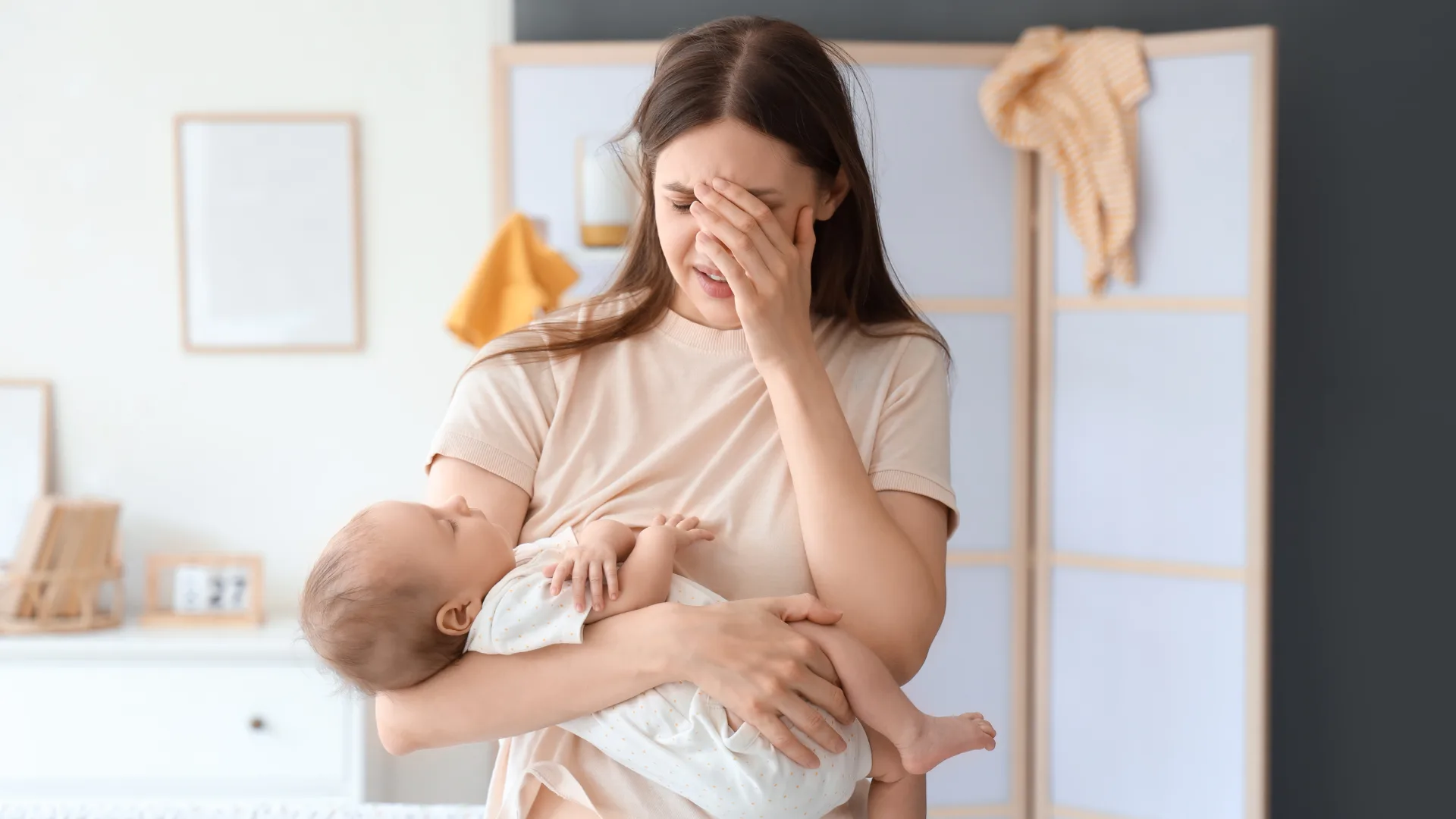
2. Can Postpartum Depression Happen Again After Another Pregnancy?
Yes. Postpartum depression can return after a subsequent pregnancy, although recurrence is not inevitable.
Having experienced PPD before is an important risk factor. Your likelihood of experiencing it again depends on several factors, including your mental health history, previous symptoms, current stress levels, and available support.
The Centre for Addiction and Mental Health (CAMH) reports that the risk of another postpartum episode may be as high as 40% among women who have previously experienced postpartum depression. However, individual risk varies, and this figure should not be treated as a personal prediction.
What Increases the Risk of Postpartum Depression Returning?
Some factors that may increase the likelihood of another episode include:
- Previous postpartum depression or depression at another stage of life.
- A family history of depression or other mental health conditions.
- Ongoing relationship difficulties or limited emotional support.
- Financial pressure, work-related stress, or major life changes.
- Previous anxiety or depression during pregnancy.
- Difficult childbirth experiences or inadequate postpartum support.
Understanding your personal risk factors can help your healthcare team develop a preventive care plan.
Does a Previous Episode Mean You Will Have PPD Again?
No. A previous episode does not guarantee another episode.
Many women have subsequent pregnancies without experiencing postpartum depression again. Early mental health assessment, appropriate treatment, and regular follow-up can help identify symptoms and provide support when needed.
The goal is not to avoid pregnancy because of your previous experience. It is to approach another pregnancy with an informed and personalised care plan.
3. How Should You Prepare for Pregnancy After Postpartum Depression?
If you are thinking about having another baby, preparation should include both your physical and psychological health.
Rather than rushing into another pregnancy, consider discussing your plans with your fertility specialist and mental health professional.
Here are five important steps to consider.
Step 1: Assess Your Emotional Recovery
Before trying to conceive, discuss your previous postpartum depression experience with a qualified mental health professional.
Consider discussing:
- Whether your previous symptoms have resolved.
- Whether you still experience anxiety, sadness, or sleep difficulties.
- Which treatments helped you recover.
- Whether you have concerns about another pregnancy or childbirth.
- What emotional support you may need in the future.
You do not need to feel perfectly confident or free from every worry before considering pregnancy. However, understanding your current mental health is important.
Step 2: Review Your Physical and Reproductive Health
A fertility assessment can help you understand your reproductive health before another pregnancy.
Depending on your age, medical history, and circumstances, your specialist may recommend:
- Hormonal evaluation.
- Ovulation assessment.
- Ovarian reserve testing.
- Ultrasound examination.
- Evaluation of previous pregnancy or childbirth complications.
One test you may hear about is AMH (Anti-Müllerian Hormone). AMH is a hormone measured through a blood test that can help estimate your remaining egg supply. It does not independently determine whether you can become pregnant naturally or predict your exact chances of having a baby.
Step 3: Review Your Current Medication
If you previously received treatment for postpartum depression, discuss your medication with your psychiatrist or prescribing doctor before trying to conceive.
Some antidepressants may be suitable during pregnancy or breastfeeding, depending on your individual circumstances.
Never stop or change prescribed mental health medication without medical advice.
Your doctor can assess the potential benefits and risks of continuing, changing, or adjusting treatment. Decisions should consider your mental health stability as well as pregnancy and breastfeeding plans.
Step 4: Build a Strong Support System
Having practical and emotional support can make the transition into another pregnancy and motherhood more manageable.
Talk with your partner and family about:
- Sharing newborn care responsibilities.
- Arranging help with household responsibilities.
- Making time for adequate rest.
- Attending medical and therapy appointments.
- Recognising early signs of emotional distress.
Your partner can also participate in counselling sessions to understand how to support you during pregnancy and after delivery.
Step 5: Create a Postpartum Mental Health Plan
Do not wait until after childbirth to think about emotional wellbeing.
Work with your healthcare team to establish a plan that includes:
- Regular mental health check-ins during pregnancy.
- A clear treatment plan if symptoms return.
- Early postpartum follow-up appointments.
- Access to psychological counselling.
- Support from your partner and family.
- Clear instructions for seeking urgent help if necessary.
Almond Blossoms recommends appropriate assessment and management of mental health conditions during pregnancy and the postpartum period.
4. What Treatment and Support Can Help Before Another Pregnancy?
Recovering from postpartum depression does not always mean that you will need the same treatment in the future. Your mental health professional can recommend an approach based on your previous experience, current symptoms, and pregnancy plans.
Several treatment options may help.
Psychological Therapy and Counselling
Talking with a qualified psychologist can help you understand emotional challenges, manage anxiety, and develop healthier coping strategies.
Common approaches include:
- Cognitive Behavioural Therapy (CBT): A form of therapy that helps you recognise and change unhelpful thought patterns and behaviours.
- Individual counselling: Provides a confidential space to discuss fears, previous experiences, and emotional concerns.
- Couples therapy: Helps partners improve communication, understand each other’s needs, and prepare for parenting responsibilities.
- Stress management: Helps you develop practical techniques for managing emotional pressure.
Psychiatric Assessment and Medication Management
For some women, psychological therapy alone may not be sufficient. A psychiatrist can assess symptoms and determine whether medication or combined treatment is appropriate.
If you are planning pregnancy, medication decisions should be made collaboratively with your psychiatrist and fertility or maternity specialist.
Ongoing Postpartum Support
Support should continue after delivery, particularly if you have experienced postpartum depression previously.
Regular appointments can help identify returning symptoms early and ensure that you receive appropriate care.
At Almond Blossoms, the Well-being Centre offers psychological support for perinatal and postpartum mental health conditions, including counselling, cognitive behavioural therapy, medication management when appropriate, and couples or family counselling.
Learn more about perinatal and postpartum mental health support in Dubai.
5. Can You Have a Baby Through IVF After Postpartum Depression?
Yes. A history of postpartum depression does not automatically prevent you from receiving fertility treatment, including IVF.
If you are experiencing difficulty conceiving or considering assisted reproductive treatment, your fertility specialist can assess your reproductive health and discuss suitable options.
However, fertility treatment can involve emotional pressure, uncertainty and hormonal changes. It is important to consider your mental wellbeing throughout the process.
Which Fertility Treatments May Be Suitable?
Depending on your fertility assessment, medical history and individual needs, your specialist may discuss the following options:
1. In Vitro Fertilisation (IVF)
IVF is a fertility treatment in which eggs are collected from the ovaries and fertilised with sperm in a laboratory. An embryo is then transferred into the uterus.
2. Intracytoplasmic Sperm Injection (ICSI)
ICSI is a specialised form of IVF in which a single sperm is injected directly into an egg to assist fertilisation.
3. Intrauterine Insemination (IUI)
IUI involves placing prepared sperm directly into the uterus around the time of ovulation to improve the opportunity for fertilisation.
4. Egg Freezing
Egg freezing involves collecting and preserving unfertilised eggs for potential future use. It may be considered when you want to delay pregnancy while preserving reproductive options.
5. Genetic Testing
Preimplantation genetic testing (PGT) involves examining embryos created through IVF for specific genetic or chromosomal findings before embryo transfer. Its suitability depends on your medical history and the type of testing being considered.
None of these treatments guarantees pregnancy. Your specialist can explain the potential benefits, limitations, risks, and expected outcomes based on your individual circumstances.
Why Is Psychological Support Important During IVF?
Fertility treatment can bring different emotional challenges, including:
- Anxiety about treatment outcomes.
- Fear of another pregnancy or postpartum depression.
- Stress associated with fertility medications.
- Relationship difficulties during treatment.
- Emotional exhaustion following unsuccessful treatment cycles.
Having access to psychological support alongside fertility treatment can help you manage these challenges.
At Almond Blossoms Fertility & Wellbeing Centre in Dubai Healthcare City, fertility services and psychological care are integrated, allowing reproductive and emotional health to be considered together.
6. When Should You Speak to a Fertility or Mental Health Specialist?
If you have experienced postpartum depression and are considering another baby, speaking with a specialist before conception can help you understand your options.
You should consider professional guidance if:
- You previously experienced moderate or severe postpartum depression.
- You are still experiencing depression or anxiety symptoms.
- You are taking antidepressants or other psychiatric medication.
- You feel frightened about becoming pregnant again.
- You have concerns about fertility or delayed conception.
- Your previous postpartum experience affected your relationship or family life.
- You want a personalised plan for emotional support after childbirth.
Why Choose Integrated Fertility and Wellbeing Care in Dubai?
Traditional fertility care often focuses primarily on reproductive health. However, planning a pregnancy after postpartum depression may require attention to both physical and psychological wellbeing.
Almond Blossoms brings fertility specialists, psychologists, and mental health professionals together within one centre.
This integrated approach allows you to explore fertility options while also discussing emotional concerns, treatment-related stress, and preparation for another pregnancy.
For individuals and couples in Dubai and across the UAE, having access to both areas of care can make it easier to coordinate discussions with the appropriate specialists.
Important: If you experience thoughts of suicide or harming yourself or your baby, seek immediate medical assistance. If you experience hallucinations, delusions, severe confusion, or other signs of postpartum psychosis, treat this as a medical emergency. Do not wait for a routine appointment.
Conclusion: Planning Another Baby After Postpartum Depression
Experiencing postpartum depression does not mean you have to give up your hopes of having another child. With appropriate treatment, emotional recovery, and personalised medical guidance, another pregnancy may be possible.
The important thing is to consider both your reproductive health and mental wellbeing before making decisions about another baby.
At Almond Blossoms Fertility & Wellbeing Centre in Dubai Healthcare City, fertility care and psychological support are available together. Whether you are exploring pregnancy, considering IVF, or looking for support after postpartum depression, the right specialists can help you understand your options.
Book a consultation with Almond Blossoms to discuss your fertility and emotional wellbeing needs.
A Consultation in Dubai
→ Website
Frequently Asked Questions (FAQs)
Can I have a healthy pregnancy after postpartum depression?
Yes. Many women go on to have healthy pregnancies after experiencing postpartum depression. A previous episode does not automatically prevent another pregnancy. Discuss your mental health history with your fertility and mental health specialists before conceiving.
How long should I wait to get pregnant after postpartum depression?
There is no single waiting period that applies to everyone. The appropriate timing depends on your physical recovery, emotional wellbeing, previous treatment, and reproductive health. Consult your doctor to determine when it may be appropriate to try again.
What are the chances of postpartum depression happening again?
Postpartum depression can recur, but it is not inevitable. Previous postpartum depression increases the risk of another episode. Your individual risk depends on your mental health history, support system, and other factors.
Can antidepressants affect my ability to get pregnant?
Some medications may have reproductive or pregnancy-related considerations, but antidepressants do not automatically prevent pregnancy. Speak with your psychiatrist and fertility specialist about your medication before conception. Do not discontinue prescribed treatment independently.
Can IVF help me have another baby after postpartum depression?
Yes. A history of postpartum depression does not automatically exclude you from IVF or other fertility treatments. Your fertility specialist can assess your reproductive health and discuss appropriate options, while psychological support can help you manage the emotional aspects of treatment.