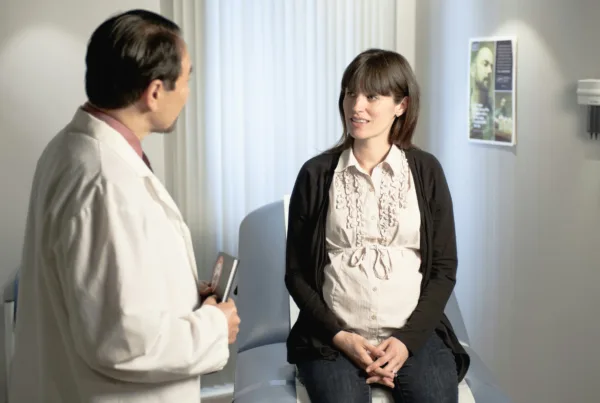
If you are preparing for IVF (in vitro fertilisation) and your fertility specialist has recommended hysteroscopy, you may be wondering what happens during the procedure and whether it can improve your chances of pregnancy. Hysteroscopy allows your doctor to examine the inside of your uterus and identify certain problems that may affect embryo implantation. Understanding each step can help you feel more prepared and confident.
At Almond Blossoms, an integrated fertility and mental wellbeing clinic in Dubai Healthcare City, understanding your treatment options can help you approach fertility care with greater clarity and less uncertainty.
What Is Hysteroscopy, and Why Is It Recommended Before IVF?
Hysteroscopy is a medical procedure that allows a fertility specialist to examine the inside of your uterus using a thin, lighted instrument called a hysteroscope. The instrument is gently passed through the vagina and cervix into the uterus, usually without making any external cuts.
The procedure helps your doctor assess the uterine cavity, which is the space where an embryo needs to implant and develop during pregnancy.
What Can Hysteroscopy Detect?
Your specialist may recommend hysteroscopy if an ultrasound or another examination suggests a problem inside the uterus.
It can help identify:
- Uterine polyps: Small growths in the uterine lining that may sometimes interfere with implantation.
- Submucosal fibroids: Non-cancerous growths that extend into the uterine cavity and may affect its shape.
- Uterine adhesions: Bands of scar tissue inside the uterus that can develop after certain procedures or infections.
- Uterine septum: A partition of tissue that divides part or all of the uterine cavity.
- Other cavity abnormalities: Structural changes that may require further assessment before fertility treatment.
If a problem is found, your doctor can determine whether treatment is appropriate before proceeding with IVF.
Is Hysteroscopy Necessary for Everyone Undergoing IVF?
No. Hysteroscopy is not routinely necessary for every person preparing for IVF.
Your fertility specialist may recommend it if you have abnormal uterine imaging, unexplained bleeding, a history suggesting uterine adhesions, or repeated unsuccessful embryo transfers where further investigation is appropriate.
If your ultrasound shows a normal uterine cavity and you have no relevant symptoms or risk factors, your doctor may recommend proceeding without hysteroscopy.
The decision should be based on your medical history, previous fertility treatment, and individual findings rather than a one-size-fits-all approach.

Hysteroscopy Procedure Step by Step: What Happens During the Test?
Understanding the hysteroscopy procedure step by step can make the experience feel less intimidating. The exact process depends on whether your specialist is performing a diagnostic hysteroscopy to examine the uterus or an operative hysteroscopy to treat a problem.
A diagnostic procedure may take around 10–15 minutes, although treatment procedures can take longer. Your clinician will explain the expected duration and pain-relief options before you begin.
NHS
Step 1: Your Initial Fertility Consultation
Before the procedure, your fertility specialist will review your medical history and discuss why hysteroscopy may be helpful.
You may be asked about:
- Your menstrual cycle and any unusual bleeding.
- Previous pregnancies, miscarriages, or fertility treatments.
- Previous embryo transfers and their outcomes.
- Results from pelvic ultrasound scans or other uterine investigations.
- Current medications, allergies, and relevant medical conditions.
Your specialist will explain the potential benefits, risks, alternatives, and whether the procedure should be performed before your planned IVF cycle.
If you are searching for an IVF consultation in Dubai, this discussion is an opportunity to understand how uterine assessment fits into your overall fertility treatment plan.
Step 2: Preparing for the Procedure
Your preparation instructions will depend on the type of hysteroscopy, the planned pain relief, and your medical history.
Your clinic may advise you to:
- Schedule the procedure at a particular point in your menstrual cycle.
- Inform the team if pregnancy is possible.
- Discuss any medicines you take, including blood-thinning medicines.
- Follow fasting instructions if sedation or general anaesthesia is planned.
- Arrange for someone to accompany you home if you receive sedation or general anaesthesia.
You may not need fasting for an uncomplicated outpatient procedure performed without sedation. Always follow your clinic’s specific instructions rather than assuming that every hysteroscopy requires the same preparation.
An important point: Tell your specialist if you are anxious about pelvic examinations, have experienced significant pain during previous procedures, or need additional support to feel comfortable. Pain-relief options should be discussed before the procedure, not only after discomfort begins.
Step 3: Positioning and Pain Relief
When you arrive, the clinical team will explain the procedure and confirm your consent.
Depending on your circumstances, hysteroscopy may be performed:
- Without anaesthesia: Often an option for straightforward diagnostic hysteroscopy.
- With local anaesthesia: Medicine is used to numb a particular area.
- With sedation: Medication helps you relax and may make you drowsy.
- Under general anaesthesia: You are unconscious during the procedure.
You will usually lie on an examination bed in a position similar to that used for a pelvic examination. Your clinician will choose an appropriate approach based on your needs and the planned procedure.
You can ask questions about pain management beforehand. If you experience significant discomfort during an outpatient procedure, tell the clinician immediately. You may be able to pause or stop the examination.
Step 4: Inserting the Hysteroscope
Your specialist gently passes a thin instrument containing a camera and light through the vagina and cervix into the uterus.
A sterile saline solution, which is salt water, is usually introduced to help expand the uterine cavity so the doctor can see its walls more clearly.
The camera sends images to a monitor, allowing the specialist to examine the uterine lining and look for abnormalities.
You may experience pressure, cramping similar to period pain, or temporary discomfort. The intensity varies from person to person.
Step 5: Examining the Uterine Cavity
Once the hysteroscope is in position, your specialist carefully examines the inside of your uterus.
The examination may reveal a normal uterine cavity or identify a finding that needs further assessment.
If an abnormality is detected, your doctor will determine whether it can be treated during the same appointment or whether another procedure is more appropriate.
Step 6: Treating Abnormalities, If Needed
An operative hysteroscopy may allow your specialist to treat certain problems during the procedure.
Depending on the findings, treatment may include:
- Removing a uterine polyp.
- Removing or treating a fibroid that projects into the uterine cavity.
- Dividing scar tissue or adhesions.
- Taking a small tissue sample for laboratory examination.
Not every abnormality needs treatment, and some findings may require additional investigations before a decision is made.
If tissue is removed, it may be sent to a laboratory for examination. Your specialist will explain what was found and whether any further care is needed.
Step 7: Recovery and Going Home
After the procedure, you will have time to recover according to the type of pain relief or anaesthesia used.
Many people can go home on the same day. If you received sedation or general anaesthesia, you may need additional observation and someone to accompany you home.
Your specialist will provide instructions about pain relief, bleeding, activity, and when to resume sexual intercourse or other activities.
You should leave with a clear understanding of the findings, any treatment performed, and the next step in your fertility plan.
NHS
How Can Hysteroscopy Improve IVF Outcomes?
The relationship between hysteroscopy and IVF depends largely on why the procedure is being performed.
IVF is a fertility treatment in which eggs are collected, fertilised in a laboratory, and an embryo is transferred into the uterus. For implantation to occur, the embryo must interact successfully with the uterine lining.
Hysteroscopy may help when a structural problem inside the uterus needs to be identified or treated. However, hysteroscopy does not automatically increase IVF success rates, and it is not recommended as a routine add-on for everyone.
How Uterine Abnormalities May Affect Implantation
The uterine cavity provides the environment in which an embryo implants and develops. Certain abnormalities may interfere with this process, depending on their location, size, and severity.
For example:
- A polyp may distort part of the uterine cavity.
- A fibroid projecting into the cavity may affect its shape.
- Scar tissue may reduce the available space or alter the uterine lining.
- A congenital structural difference may warrant further evaluation.
If your specialist identifies a relevant abnormality, treating it may improve the uterine environment. The expected benefit depends on the specific condition and the available evidence.
Does Hysteroscopy Increase IVF Success Rates?
There is no single success rate that applies to everyone undergoing hysteroscopy before IVF.
Evidence from clinical trials has not consistently demonstrated that routine hysteroscopy improves the chance of a live birth in people with a normal uterine cavity. The Almond Blossom, in its 2026 fertility guideline, advises against offering hysteroscopy simply as a pretreatment intended to improve IVF outcomes when no uterine abnormality is suspected. It remains relevant when investigations or symptoms suggest a problem.
This distinction matters: investigating a suspected problem is different from performing an additional procedure on everyone.
Your fertility specialist can help you weigh the likely benefit, possible discomfort, cost, and effect on treatment timing before making a decision.
What Should You Expect After Hysteroscopy?
Recovery is usually straightforward after an uncomplicated hysteroscopy, but your experience will depend on whether you had a diagnostic examination or surgery to treat an abnormality.
Is Bleeding or Cramping Normal After Hysteroscopy?
Yes. Mild period-like cramps and light vaginal bleeding or spotting can occur after the procedure. These symptoms generally improve over the following days.
You may find it helpful to:
- Rest when you feel tired.
- Use sanitary pads if you experience bleeding.
- Follow your clinician’s instructions about pain relief.
- Avoid strenuous activities until you feel comfortable and your specialist advises that it is appropriate.
- Follow the clinic’s guidance on sexual intercourse, swimming, and tampon use.
Your recovery may take longer if you have had an operative hysteroscopy or a more extensive procedure.
When Should You Contact Your Doctor?
Contact your healthcare provider promptly if you experience:
- Heavy or increasing vaginal bleeding.
- Severe or worsening abdominal pain.
- Fever or chills.
- Unusual or unpleasant-smelling vaginal discharge.
- Persistent dizziness or feeling significantly unwell.
Rare complications can include infection, injury to the uterus or cervix, and problems associated with the fluid used during the procedure. Seek urgent medical assessment if symptoms are severe.
Your clinician will explain which symptoms are expected and which require medical attention.
When Can You Start IVF After Hysteroscopy?
The timing of IVF after hysteroscopy depends on the findings and whether treatment was performed.
If your specialist performs a diagnostic hysteroscopy and finds no significant abnormality, the next steps may be relatively straightforward. If a polyp, fibroid, or uterine adhesion is treated, you may need additional recovery time before proceeding.
Your doctor may consider:
- Whether the uterine lining needs time to heal.
- The type and extent of any treatment performed.
- Whether a tissue sample needs laboratory review.
- Whether follow-up imaging or another examination is necessary.
- Your planned ovarian stimulation or embryo transfer schedule.
There is no universal waiting period that is appropriate for every patient.
What If You Have Had Failed IVF Attempts?
If you have experienced unsuccessful embryo transfers, it is understandable to want to investigate every possible reason.
Your fertility specialist may review your previous treatment records, embryo development, uterine imaging, and other relevant factors before deciding whether hysteroscopy is appropriate.
It is important to remember that an unsuccessful IVF cycle does not necessarily mean something is wrong with your uterus. Embryo-related factors and other medical considerations can also influence outcomes.
A targeted investigation can help clarify whether there is a treatable uterine issue, while avoiding procedures that are unlikely to provide additional benefit.
Choosing a Fertility Clinic in Dubai for Hysteroscopy and IVF
If you are comparing options for a fertility clinic in Dubai, consider how the clinic evaluates your individual needs rather than recommending the same procedures to everyone.
Before proceeding, ask your fertility specialist:
- Why is hysteroscopy being recommended in my particular case?
- What findings from my ultrasound or medical history support the recommendation?
- Can the procedure be performed without sedation, or would another pain-relief option be more suitable?
- If an abnormality is found, can it be treated during the same procedure?
- How might the findings affect my IVF schedule and expected costs?
- What are the alternatives, and what are the benefits and limitations of each option?
For people considering IVF in Dubai, a clear explanation of the treatment plan can help reduce uncertainty and support informed decisions.
At Almond Blossoms, the clinic’s integrated fertility and mental wellbeing approach also recognises that investigations and fertility treatment can involve emotional pressure. You may find it helpful to discuss concerns about pain, previous unsuccessful cycles, or anxiety about the next treatment step with an appropriate healthcare professional.
Emotional support does not replace medical assessment, but it can help you manage the uncertainty and stress that sometimes accompany fertility care.
Conclusion: Understand Your Hysteroscopy Options Before IVF
Hysteroscopy can provide valuable information about the uterine cavity and allow certain abnormalities to be treated when necessary. Understanding the procedure, preparation, recovery, and potential effect on IVF can help you make a more informed decision about your fertility care.
However, hysteroscopy is not required for everyone, and undergoing the procedure does not guarantee pregnancy. The most appropriate approach depends on your medical history, investigation results, and treatment goals.
If you are considering IVF in Dubai or have been advised to undergo hysteroscopy, book a consultation with Almond Blossoms to discuss your options and understand how uterine assessment may fit into your individual fertility plan.
A Consultation in Dubai
→ Website
Frequently Asked Questions (FAQs)
Is hysteroscopy painful?
Hysteroscopy can cause pressure, cramping, or discomfort similar to period pain. The experience varies between individuals and depends on the type of procedure. Discuss pain-relief options with your specialist beforehand.
How long does a hysteroscopy procedure take?
A straightforward diagnostic hysteroscopy often takes around 10–15 minutes. Procedures involving the removal of polyps, fibroids, or scar tissue may take longer. Your clinician can provide an estimate based on your treatment plan.
Can hysteroscopy improve IVF success?
Hysteroscopy may help when it identifies and allows treatment of a uterine abnormality that is relevant to fertility. However, routine hysteroscopy has not been shown to consistently improve live birth rates in people with a normal uterine cavity.
Is hysteroscopy necessary before every IVF cycle?
No. It is generally considered when symptoms, medical history, or previous investigations suggest a uterine abnormality. Your fertility specialist can determine whether the potential benefits justify the procedure in your case.
When can I have an embryo transfer after hysteroscopy?
The timing depends on whether the procedure was diagnostic or operative, what was found, and how your uterus recovers. Your fertility specialist will advise when it is appropriate to proceed with embryo transfer.