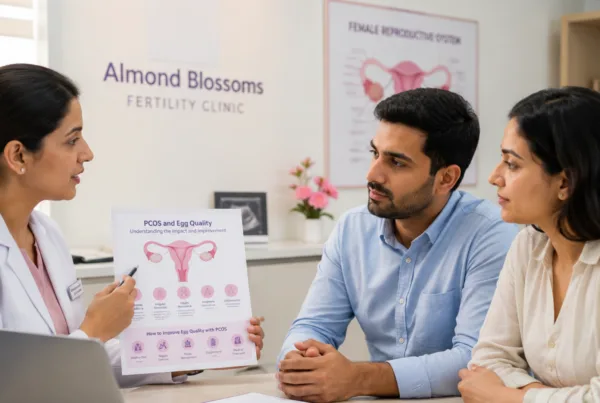
Individual therapy focuses on your personal emotional wellbeing, stress, anxiety, trauma, and fertility-related concerns.
Couples therapy helps partners improve communication, strengthen relationships, and navigate fertility challenges together.
Choosing the right therapy depends on your emotional needs, relationship goals, and life circumstances, and many patients benefit from both approaches.
Trying to navigate emotional challenges while managing work, relationships, or fertility treatment can feel overwhelming. Whether you’re experiencing anxiety, relationship strain, grief after pregnancy loss, or the emotional impact of IVF, seeking professional psychological support is an important step toward healing.
Many people wonder whether they should choose individual therapy or couples therapy. The answer depends on your personal circumstances, emotional wellbeing, and relationship dynamics.
At Fertility and Wellbeing Center in Dubai Healthcare City, our psychologists and fertility specialists understand that emotional health plays a vital role in overall wellbeing and reproductive health. This medically informed guide explains the differences between individual and couples therapy, what to expect during each, and how to decide which option may be right for you.
Why Mental Health Matters During Your Fertility Journey
The journey toward parenthood isn’t only physical; it is deeply emotional.
Individuals and couples dealing with infertility commonly experience:
- Anxiety
- Depression
- Stress
- Sleep disturbances
- Relationship conflict
- Feelings of guilt
- Social isolation
- Fear of treatment failure
Research consistently shows that psychological support can improve emotional resilience, treatment adherence, communication, and overall quality of life during fertility care.
Whether you’re preparing for IVF, coping with miscarriage, managing PCOS, or balancing demanding careers in Dubai, therapy provides a safe, confidential space to process emotions and develop healthy coping strategies.

Individual Therapy vs Couples Therapy: What’s the Difference?
Although both forms of therapy improve emotional wellbeing, they serve different purposes.
| Individual Therapy | Couples Therapy |
| Focuses on one person | Focuses on both partners |
| Addresses personal emotional concerns | Improves relationship dynamics |
| Builds coping strategies | Builds communication skills |
| Helps process trauma or grief | Helps resolve conflict together |
| Encourages personal growth | Strengthens partnership |
Many patients begin with one type of therapy and later combine both for more comprehensive emotional support.
1. Individual Therapy Focuses Entirely on You
One of the biggest differences is the level of personal attention.
During individual therapy, every session centers around your emotional experiences.
You may discuss:
- Fertility-related anxiety
- Depression
- Panic attacks
- Work stress
- Burnout
- Pregnancy loss
- Family pressure
- Low self-esteem
- Trauma
- Fear of medical procedures
Your psychologist works with you to understand emotional patterns while developing healthier coping mechanisms.
Benefits include:
- Greater emotional awareness
- Reduced anxiety
- Improved confidence
- Better stress management
- Increased resilience during IVF
2. Couples Therapy Focuses on Your Relationship
Infertility often affects both partners differently.
While one partner may openly express emotions, the other may withdraw or focus solely on finding solutions.
Over time, this difference can create misunderstandings.
Couples therapy helps both partners:
- Improve communication
- Understand each other’s emotional needs
- Reduce blame
- Rebuild intimacy
- Strengthen teamwork during fertility treatment
Instead of assigning fault, therapy encourages collaborative problem-solving.
3. Your First Session May Feel Different Than Expected
Many people worry about saying the “wrong thing.”
In reality, your first appointment is designed to help your psychologist understand your concerns.
Expect discussions about:
- Medical history
- Emotional wellbeing
- Relationship history
- Family background
- Current stressors
- Fertility journey
- Goals for therapy
No one is judged.
Sessions remain confidential and are tailored to your unique situation.
4. Therapy Is Evidence-Based, Not Just Talking
Modern psychological therapy uses clinically validated approaches rather than simple conversation.
Depending on your needs, your psychologist may use:
Cognitive Behavioural Therapy (CBT)
Helps identify and replace unhelpful thought patterns.
Useful for:
- Anxiety
- Depression
- Fertility stress
Acceptance and Commitment Therapy (ACT)
Encourages acceptance of difficult emotions while pursuing meaningful life goals.
Mindfulness-Based Therapy
Reduces chronic stress by improving present-moment awareness.
Emotion-Focused Therapy
Often used in couples therapy to improve emotional connection.
Solution-Focused Therapy
Helps patients work toward practical goals rather than dwelling on problems.
These evidence-based methods are especially valuable for patients undergoing IVF or other fertility treatments.
5. Fertility Challenges Often Become a Major Topic
For many patients in Dubai, fertility concerns are closely connected with emotional wellbeing.
Therapy often addresses:
Emotional impact of infertility
Patients frequently experience:
- Grief
- Anger
- Shame
- Hopelessness
IVF Stress
Repeated treatment cycles can create:
- Emotional exhaustion
- Financial concerns
- Fear of failure
- Decision fatigue
Pregnancy Loss
Miscarriage affects emotional health long after physical recovery.
Therapy provides a compassionate environment for processing grief.
Family Expectations
Many individuals living in multicultural communities across Dubai experience pressure from relatives regarding marriage and parenthood.
Therapy helps patients establish healthy emotional boundaries while maintaining important family relationships.
6. Couples Therapy Is Not Only for Relationships in Crisis
One of the biggest misconceptions is that couples therapy is only necessary when relationships are failing.
In reality, many healthy couples attend therapy to:
- Prepare for IVF
- Improve communication
- Make treatment decisions
- Manage financial stress
- Navigate donor options
- Process pregnancy loss
- Strengthen emotional intimacy
Think of therapy as preventative healthcare for your relationship.
7. Therapy Supports Long-Term Emotional Wellbeing
The benefits of therapy continue well beyond fertility treatment.
Patients often report improvements in:
- Confidence
- Emotional regulation
- Sleep
- Decision-making
- Communication
- Relationship satisfaction
- Parenting preparation
- Work-life balance
Learning healthy coping strategies today can benefit every stage of life.
Individual Therapy May Be Right If…
You may benefit most from individual therapy if you are experiencing:
- Persistent anxiety
- Depression
- Panic attacks
- Trauma
- Emotional burnout
- Work-related stress
- Fertility-related grief
- Difficulty managing emotions
Couples Therapy May Be Right If…
Consider couples therapy if you and your partner are experiencing:
- Communication difficulties
- Conflict surrounding fertility treatment
- Different coping styles
- Intimacy concerns
- Parenting disagreements
- Emotional distance
- Increased stress after IVF
Why Psychological Support Matters During Fertility Treatment
Scientific evidence increasingly supports integrating psychological care into fertility treatment.
Benefits include:
- Better treatment adherence
- Reduced anxiety
- Improved coping
- Better relationship satisfaction
- Enhanced emotional resilience
- Improved quality of life
Mental wellbeing does not guarantee pregnancy success, but it can make the fertility journey healthier, more manageable, and emotionally sustainable.
Psychological Care at Almond Blossoms Fertility and Wellbeing Center
At Almond Blossoms Fertility and Wellbeing Center in Dubai Healthcare City, psychological care is integrated into fertility treatment because emotional health and reproductive health are closely connected.
Patients receive compassionate support from experienced psychologists working alongside fertility specialists to provide holistic care.
Whether you need support as an individual or as a couple, treatment plans are personalised to your emotional needs, relationship goals, and fertility journey.
Our multidisciplinary approach helps patients feel heard, supported, and empowered throughout every stage of care.
Why Many Patients in Dubai Choose Professional Psychological Support
Dubai’s multicultural environment creates unique emotional challenges.
Many residents balance:
- Demanding careers
- Relocation stress
- Limited family support
- Cultural expectations
- Fertility treatment
- Busy lifestyles
Accessing psychological care locally allows patients to receive culturally sensitive, confidential, and evidence-based support close to home. For expats and UAE nationals alike, having a trusted psychologist in Dubai can make a significant difference during emotionally demanding periods such as IVF, pregnancy planning, or relationship transitions.
Final Thoughts
Choosing between individual therapy and couples therapy isn’t about selecting the “right” option; it’s about identifying the support that best fits your current needs. Emotional wellbeing is an essential part of overall health, particularly during fertility treatment, pregnancy planning, or significant life transitions.
At Fertility and Wellbeing Center in Dubai Healthcare City, our experienced psychologists, gynecologists, and IVF specialists work together to provide compassionate, evidence-based care tailored to every patient. Whether you’re seeking support for anxiety, relationship challenges, or the emotional demands of fertility treatment, you don’t have to face the journey alone.
Ready to Take the Next Step?
If you’re looking for a psychologist in Dubai, exploring Individual vs Couples Therapy in Dubai, or searching for a fertility and wellbeing center with integrated psychological and fertility care, schedule a consultation with the team at Almond Blossoms Fertility and Wellbeing Center. Together, we’ll help you build emotional resilience, strengthen relationships, and support your path toward better wellbeing.
A Consultation in Dubai
→ Website
Frequently Asked Questions (FAQs)
Is individual therapy better than couples therapy?
There isn’t a single “better” option; it depends on your needs. Individual therapy supports personal emotional health, while couples therapy focuses on strengthening your relationship and communication.
Can therapy help during IVF treatment?
Yes. Therapy can make the IVF journey emotionally easier to manage. It helps reduce stress, improve coping skills, and strengthen communication between partners.
Although therapy does not directly increase pregnancy rates, better emotional wellbeing may improve treatment adherence, reduce burnout, and support healthier decision-making throughout fertility care.
How do I find the best psychological clinic in Dubai?
Look for a clinic that offers licensed psychologists, evidence-based therapy, and personalized care. If you’re undergoing fertility treatment, choosing a fertility and wellbeing center with integrated psychological and reproductive health services ensures coordinated, compassionate care for both your emotional and physical wellbeing.
Is couples therapy only for married couples?
No. Couples therapy is suitable for any committed relationship. Whether you’re married, engaged, or long-term partners, therapy helps improve communication, resolve conflict, and navigate life challenges together.
Is therapy confidential in Dubai?
Yes. Licensed psychologists follow strict confidentiality and ethical standards. Your personal information and therapy discussions remain private, except in rare situations where disclosure is legally required to protect safety.