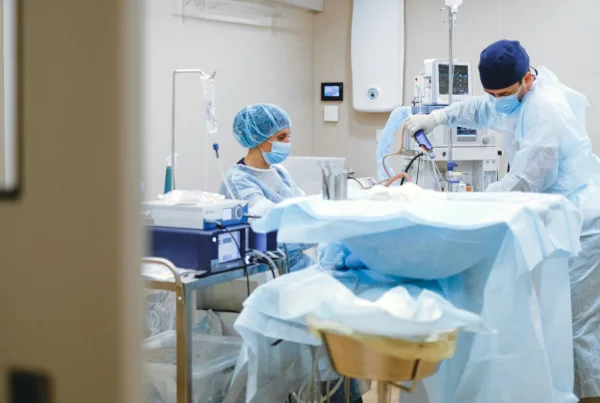
Understanding your IVF success rate can help you make informed decisions about fertility treatment and set realistic expectations. Your chances of pregnancy depend on several factors, including your age, egg quality, sperm health, embryo development, and medical history. If you are considering IVF treatment in Dubai, knowing what influences success can help you prepare for the process both physically and emotionally.
What Is the IVF Success Rate?
In vitro fertilization (IVF) is a fertility treatment in which eggs are collected from the ovaries and fertilized with sperm in a laboratory. The resulting embryos are monitored, and a suitable embryo is transferred into the uterus to establish a pregnancy.
The IVF success rate refers to the likelihood of achieving a particular outcome after treatment. However, success can be measured in different ways, including a positive pregnancy test, a confirmed clinical pregnancy on ultrasound, or a live birth.
It is important to understand which measurement a clinic is using when comparing IVF success rates. A positive pregnancy test does not always lead to a continuing pregnancy or a live birth.
What Is a Good IVF Success Rate?
There is no single success rate that applies to everyone. Your individual chances depend on your reproductive health, age, fertility diagnosis, and the treatment approach recommended by your specialist.
For example, younger patients generally have higher success rates using their own eggs because egg quality and chromosomal health tend to decline with age. However, age is only one part of the overall picture.
When you consult a fertility specialist, ask about success rates for patients in a similar age group and with a similar fertility diagnosis. This gives you a more meaningful understanding of what to expect than relying on general statistics.

What Factors Affect IVF Success Rates?
Several medical and lifestyle factors can influence the outcome of IVF treatment. Understanding these factors can help you discuss suitable treatment options with your fertility specialist.
1. Age and Egg Quality
Age is one of the most significant factors affecting IVF success, particularly when using your own eggs. As you get older, the number of available eggs generally decreases, and a higher proportion of eggs may have chromosomal abnormalities.
These changes can affect fertilization, embryo development, implantation, and the risk of miscarriage.
- Under 35: Egg quality and ovarian reserve are generally more favorable, although individual results vary.
- 35–37: Fertility may begin to decline more noticeably, making individualized treatment planning important.
- 38–40: The proportion of eggs with chromosomal abnormalities tends to increase, which can affect embryo development and pregnancy chances.
- Over 40: IVF success using your own eggs generally decreases, although pregnancy may still be possible depending on your individual circumstances.
Your fertility specialist may recommend ovarian reserve testing to better understand your reproductive health and plan your treatment.
2. Ovarian Reserve and AMH Levels
Ovarian reserve refers to the number of eggs remaining in your ovaries. Anti-Müllerian hormone (AMH) is a hormone measured through a blood test that can help estimate your ovarian reserve.
AMH levels can help your specialist predict how your ovaries may respond to fertility medications during IVF. However, AMH does not directly measure egg quality or guarantee pregnancy.
A lower AMH level may indicate that fewer eggs could be collected during an IVF cycle, while a higher level may indicate a stronger response to stimulation. Your age, ultrasound findings, and medical history are also important when interpreting your results.
3. Sperm Quality and Male Fertility
Sperm health is another important factor in IVF success. Sperm concentration, movement (motility), shape (morphology), and DNA integrity can influence fertilization and embryo development.
In some cases, your specialist may recommend intracytoplasmic sperm injection (ICSI), a procedure in which a single sperm is injected directly into an egg. ICSI can be helpful in certain cases of male-factor infertility or previous fertilization difficulties.
However, ICSI is not necessary for every IVF cycle. Your fertility team can assess both partners’ reproductive health and recommend an approach based on your specific circumstances.
4. Embryo Quality and Chromosomal Health
Embryo quality plays an important role in the likelihood of successful implantation and pregnancy. After fertilization, embryos are monitored in the laboratory to assess their development, appearance, and suitability for transfer.
A good-quality embryo may have favorable characteristics under laboratory assessment, but appearance alone cannot confirm that an embryo is chromosomally normal.
In selected cases, your specialist may discuss preimplantation genetic testing for aneuploidy (PGT-A). This test examines embryos for the correct number of chromosomes. It may help guide embryo selection in certain clinical situations, but it is not recommended for everyone and does not guarantee a successful pregnancy.
5. Uterine Health and Embryo Implantation
Even when a healthy embryo is available, the condition of the uterus can influence the likelihood of implantation.
Your fertility specialist may assess the uterine lining, which is the tissue that thickens during the menstrual cycle and supports early pregnancy. Ultrasound scans and other investigations may be recommended to check for conditions that could affect implantation.
These may include:
- Uterine fibroids that affect the uterine cavity
- Endometrial polyps
- Certain uterine abnormalities
- Inflammation or other conditions affecting the endometrium
Not every finding requires treatment before IVF. Your specialist will determine whether further investigation or management is appropriate for you.
How Can You Improve Your Chances of IVF Success?
Although some factors, such as age and underlying medical conditions, cannot be changed, there are practical steps that may support your general reproductive health and help you prepare for treatment.
1. Maintain a Balanced Diet
A nutritious, balanced diet can support your overall health before and during fertility treatment. Include a variety of fruits, vegetables, whole grains, healthy fats, and protein sources in your meals.
Your specialist may also recommend specific nutritional supplements, such as folic acid, based on your individual needs. Avoid taking fertility supplements without discussing them with your healthcare provider.
2. Maintain a Healthy Lifestyle
Lifestyle habits can influence reproductive health and general wellbeing. If you are preparing for IVF, consider the following:
- Avoid smoking and recreational drugs.
- Avoid alcohol while trying to conceive and follow your specialist’s advice during treatment.
- Maintain regular, moderate physical activity, as appropriate for your health.
- Aim for consistent, restorative sleep.
- Discuss weight-related concerns with your specialist if they may affect your treatment.
Small, sustainable changes are often more manageable than making several major lifestyle changes at once.
3. Manage Stress and Emotional Wellbeing
Fertility treatment can involve uncertainty, medical appointments, financial considerations, and emotional pressure. It is understandable to experience anxiety, frustration, sadness, or stress during the process.
Stress should not be treated as a personal failure or assumed to be the cause of an unsuccessful IVF cycle. Although managing stress cannot guarantee pregnancy, emotional support can help you cope with treatment and maintain your quality of life.
At Almond Blossoms, integrated fertility care and psychological support can help you address both the medical and emotional aspects of infertility. Counseling or therapy may be particularly helpful if fertility-related stress is affecting your relationships, sleep, or everyday activities.
4. Follow an Individualized Treatment Plan
Every fertility case is different. Your specialist may recommend IVF, ICSI, IUI (intrauterine insemination), genetic testing, or other approaches depending on your diagnosis and reproductive health.
Attending scheduled appointments, following medication instructions, and discussing any concerns with your fertility team can help ensure your treatment is appropriately monitored.
Does IVF Work on the First Attempt?
IVF can result in pregnancy during the first treatment cycle, but this is not guaranteed. Some individuals and couples achieve a successful pregnancy after one cycle, while others may need more than one attempt.
The outcome of your first cycle can also provide useful clinical information. Your specialist can assess how your ovaries responded to medication, how many eggs were collected, the fertilization rate, and how the embryos developed.
If your first IVF cycle is unsuccessful, your fertility team may review the results and discuss whether any adjustments could be beneficial.
These may include:
- Adjusting fertility medication or ovarian stimulation protocols
- Investigating possible causes of poor fertilization or embryo development
- Reviewing uterine health and the timing of embryo transfer
- Considering ICSI or other techniques when clinically indicated
- Discussing frozen embryo transfer if suitable embryos are available
A failed cycle does not automatically mean that future treatment will be unsuccessful. Equally, another cycle cannot guarantee pregnancy. Your specialist can help you understand the potential benefits, limitations, costs, and emotional considerations of continuing treatment.
Fresh vs. Frozen Embryo Transfer: Does It Affect Success?
A fresh embryo transfer takes place during the same treatment cycle in which the eggs are collected. A frozen embryo transfer (FET) involves transferring an embryo that was frozen and stored for use in a later cycle.
Both approaches can lead to a successful pregnancy. The appropriate option depends on factors such as your hormone levels, ovarian response, uterine lining, embryo availability, and medical history.
In some circumstances, freezing embryos and transferring them later may offer clinical advantages. However, a frozen transfer is not automatically more successful than a fresh transfer for every patient.
Your fertility specialist can explain which approach is appropriate for your circumstances.
How to Choose the Right IVF Clinic in Dubai
Choosing a fertility clinic is an important decision, particularly when you are comparing treatment options and trying to understand your likely outcomes.
When researching the best IVF clinic in Dubai for your needs, look beyond headline success rates and consider the quality, transparency, and continuity of care.
Here are some factors to discuss during your initial consultation.
- Fertility specialist expertise: Ask about your doctor’s experience with your particular fertility diagnosis and recommended treatment.
- Individualized treatment plans: Find out whether your treatment protocol will be tailored to your age, ovarian reserve, reproductive history, and other clinical findings.
- Laboratory and embryo care: Ask about the clinic’s embryology laboratory, embryo monitoring, and quality-control procedures.
- Transparent success rates: Understand how the clinic measures success and whether its statistics are relevant to your age group and treatment type.
- Integrated emotional support: Consider whether counseling or psychological support is available alongside fertility treatment.
- Clear communication: Look for a clinical team that explains procedures, possible risks, costs, and alternative options in a way you can understand.
If you are looking for the best fertility doctor in Dubai for your circumstances, a consultation can help you understand the specialist’s approach and whether it aligns with your medical needs and personal preferences.
Almond Blossoms, located in Dubai Healthcare City, provides fertility services alongside psychological support. This integrated approach allows patients to discuss medical treatment and emotional wellbeing as connected parts of their care.
Conclusion
Your IVF success rate depends on a combination of factors, including age, ovarian reserve, egg and sperm quality, embryo development, uterine health, and your response to treatment. Understanding these factors can help you set realistic expectations and make informed decisions about your fertility care.
If you are considering infertility treatment in Dubai, an individualized assessment can help you understand your reproductive health, explore suitable treatment options, and identify the questions you should discuss with your specialist.
At Almond Blossoms, fertility treatment is supported by an integrated approach to psychological wellbeing, helping you address the medical and emotional aspects of the process.
Book a consultation with Almond Blossoms to discuss your fertility health, understand your treatment options, and develop a personalized care plan.
A Consultation in Dubai
→ Website
Frequently Asked Questions (FAQs)
What is the average IVF success rate?
IVF success rates vary according to age, egg quality, sperm health, embryo development, and other medical factors. Rates also differ depending on whether success is measured by pregnancy per embryo transfer, per egg retrieval, or live birth. Your fertility specialist can explain the most relevant figures for your individual circumstances.
Does age affect IVF success?
Yes. Age is an important factor, particularly when using your own eggs. Egg quantity and quality generally decline with age, which can affect fertilization, embryo development, and the likelihood of pregnancy. However, your overall reproductive health and medical history also influence your individual chances.
Can I improve my IVF success rate naturally?
Healthy lifestyle habits, including balanced nutrition, regular physical activity, sufficient sleep, and avoiding smoking, can support your general reproductive health. However, no natural method can guarantee IVF success or reverse age-related changes in egg quality. Your specialist can recommend appropriate steps based on your health.
How many IVF cycles are needed to achieve pregnancy?
There is no fixed number of IVF cycles required to achieve pregnancy. Some individuals conceive during their first cycle, while others may need additional attempts. Your age, fertility diagnosis, treatment response, and availability of suitable embryos can influence the number of cycles needed.
Does stress reduce IVF success rates?
Stress can affect your emotional wellbeing, sleep, relationships, and quality of life during fertility treatment. However, experiencing stress does not mean your IVF treatment will fail. Psychological support, counseling, and stress-management techniques can help you cope with the emotional demands of treatment without placing responsibility for the outcome on you.