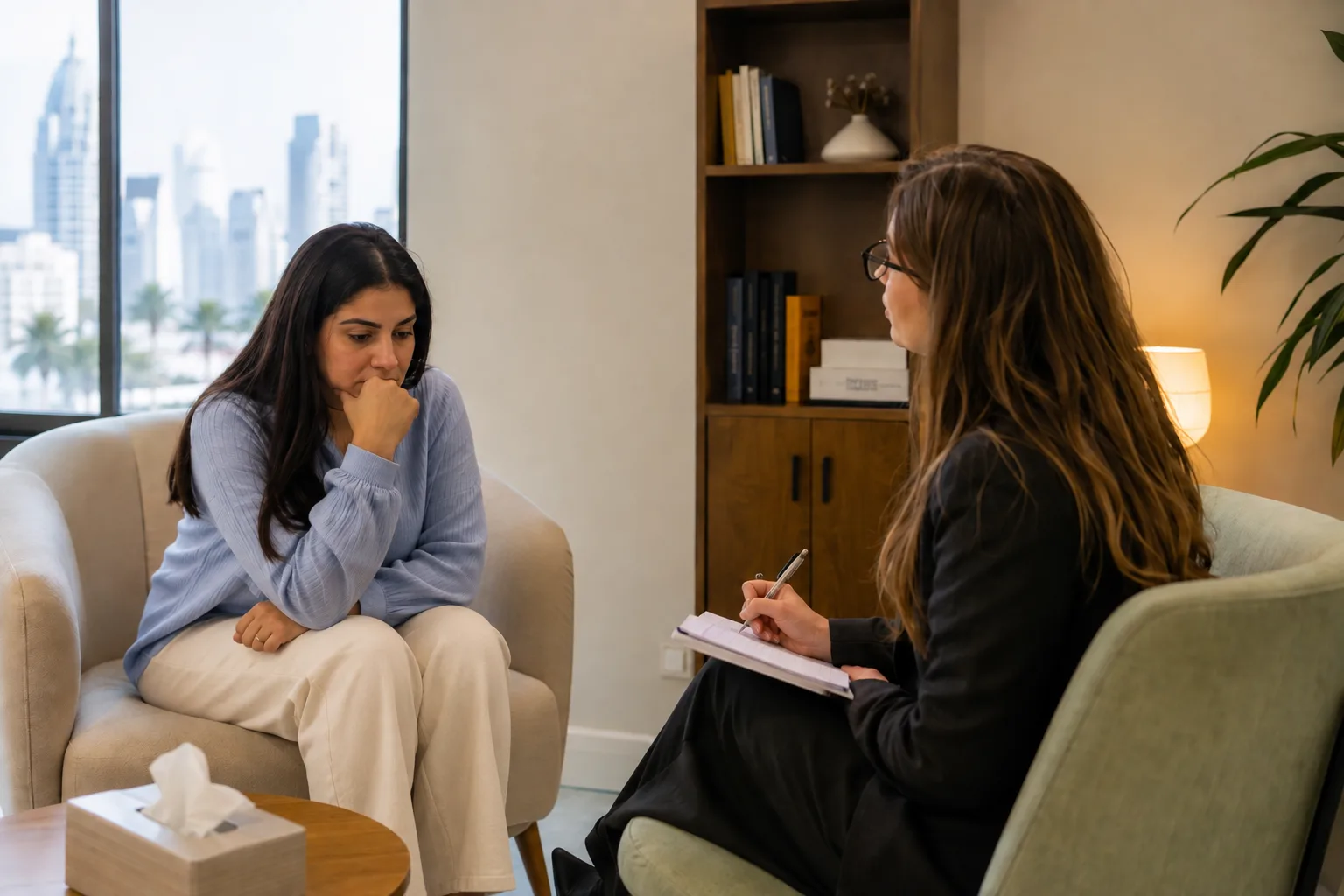
Receiving an ADHD diagnosis later in life can be both validating and emotionally challenging. For many women, finally understanding lifelong difficulties with focus, organisation, emotional regulation or feeling overwhelmed can provide answers to experiences that once seemed difficult to explain. At the same time, a diagnosis may bring grief, frustration and questions about what life could have looked like with earlier support.
ADHD is often associated with children, particularly boys, which means some women may reach adulthood without recognising that their experiences could be connected to ADHD. When diagnosis eventually comes, it can change the way they understand their past, relationships, work and even their sense of identity.
At Almond Blossoms Fertility & Wellbeing Center in Dubai, psychological wellbeing is an important part of whole-person care. Understanding the emotional side of a late ADHD diagnosis can help women approach themselves with greater compassion and develop healthier ways of managing everyday challenges.

What Is ADHD?
Attention-deficit/hyperactivity disorder (ADHD) is a neurodevelopmental condition that can affect attention, organisation, impulse control and executive functioning.
Although ADHD is commonly discussed in relation to children, it can continue throughout adulthood. Symptoms can look different from person to person, and women may not always present in ways traditionally associated with ADHD.
Some adults may experience difficulties with:
- Maintaining focus
- Organisation and planning
- Managing time
- Starting or completing tasks
- Remembering appointments or responsibilities
- Managing multiple demands
- Emotional regulation
- Feeling easily overwhelmed
- Maintaining routines
- Managing work and household responsibilities
Importantly, experiencing some of these difficulties does not automatically mean someone has ADHD. A qualified healthcare professional should conduct an appropriate assessment before diagnosis.
Why Is ADHD Sometimes Diagnosed Later in Women?
One reason ADHD can go unrecognised in women is that symptoms may be less obvious during childhood.
Some girls may develop strategies that help them compensate for difficulties with attention or organisation. They may work harder to stay organised, become highly perfectionistic or rely heavily on routines and preparation.
These coping strategies can sometimes become harder to maintain as responsibilities increase.
University, careers, relationships, parenthood and other major life changes can place greater demands on executive functioning. What was previously manageable may suddenly become overwhelming.
This can lead some women to seek professional help only later in adulthood.
The Emotional Impact of Receiving an ADHD Diagnosis Later in Life
A diagnosis can explain experiences that may have felt confusing for years. But understanding the diagnosis can also bring complicated emotions.
1. Relief and Validation
For some women, the first reaction may be relief.
A diagnosis can provide a framework for understanding why certain tasks have always felt more difficult than they appeared to be for others.
Instead of thinking:
“Why can’t I just get organised?”
a person may begin to think:
“There may be a reason this has been difficult for me.”
This shift can reduce self-blame and create an opportunity for greater self-understanding.
2. Grief for the Past
Late diagnosis can also bring grief.
Some women may wonder how their education, career, relationships or personal development might have been different if their difficulties had been recognised earlier.
They may think about missed opportunities or previous experiences where they were labelled as lazy, careless, disorganised or overly emotional.
These feelings can be difficult, even when the diagnosis itself is helpful.
3. Frustration and Anger
It is also normal to experience frustration after receiving a diagnosis.
A person may question why nobody noticed the signs earlier or why they had to spend years struggling without an explanation.
These emotions deserve acknowledgement rather than judgement.
4. A Changing Sense of Identity
A late diagnosis can influence how someone understands themselves.
Women may revisit old experiences and recognise patterns they had previously misunderstood.
This process can be helpful, but it can also feel confusing.
The goal is not to reduce someone’s entire identity to ADHD. Rather, understanding ADHD can become one part of understanding oneself more accurately.
ADHD, Self-Esteem and Self-Criticism
Repeated difficulties with organisation, concentration or completing tasks can affect self-esteem over time.
If someone repeatedly struggles with things that appear easy for others, they may develop harsh internal beliefs such as:
- “I’m not capable.”
- “I’m always behind.”
- “I should be doing better.”
- “Why can’t I manage simple things?”
- “I’m disappointing everyone.”
A diagnosis does not erase these beliefs immediately.
Psychological support can help individuals explore where these beliefs came from and develop a more compassionate understanding of themselves.
Why Psychological Support Can Help
Receiving an ADHD diagnosis is not simply about understanding symptoms. It can also involve processing emotions and adjusting to a new understanding of yourself.
A psychologist can provide a supportive space to explore:
- Emotional reactions to diagnosis
- Self-esteem and self-criticism
- Anxiety or feelings of overwhelm
- Relationship difficulties
- Work-related challenges
- Coping strategies
- Emotional regulation
- Changes in identity
- Grief associated with late diagnosis
Psychological therapy does not change who a person is. Instead, it can help them understand themselves better and develop strategies that support their wellbeing.
Late ADHD Diagnosis and Relationships
ADHD-related difficulties can sometimes affect relationships.
For example, difficulties with remembering tasks, managing time, maintaining routines or regulating emotions may be misunderstood by partners, family members or colleagues.
Without understanding the underlying challenges, these behaviours can sometimes be interpreted as a lack of care or effort.
A diagnosis can provide greater context and open the door to more productive conversations.
Couples or individual psychological support may help people understand communication patterns, expectations, and emotional responses within relationships.
Learning Self-Compassion After an ADHD Diagnosis
One of the most valuable steps after a late diagnosis can be replacing self-blame with self-understanding.
Self-compassion does not mean ignoring difficulties or avoiding responsibility.
It means recognising that struggling with something does not make you lazy, incapable, or less worthy.
Instead of asking:
“Why couldn’t I do this before?”
it can be more helpful to ask:
“What do I understand about myself now, and what support might help me move forward?”
This change in perspective can be an important part of emotional wellbeing.
When Should You Consider Psychological Support?
Consider speaking with a qualified psychologist if you are finding it difficult to process your diagnosis or if emotional challenges are affecting your everyday life.
Professional support may be particularly useful if you are experiencing persistent:
- Anxiety or emotional distress
- Low self-esteem
- Feelings of overwhelm
- Relationship difficulties
- Work-related stress
- Difficulty adjusting to your diagnosis
- Self-criticism or feelings of guilt
- Grief about missed opportunities
You do not need to wait until difficulties become severe before seeking support.
ADHD Diagnosis Is Not the End of the Story
A late ADHD diagnosis can change the way a woman understands her past, but it does not define her future.
For some women, diagnosis brings an explanation for experiences that previously felt confusing. With greater understanding, appropriate professional care and practical support, it can also become an opportunity to approach life with greater self-awareness.
The most important shift may be moving away from “What’s wrong with me?” toward “What do I need to thrive?”
At Almond Blossoms Fertility & Wellbeing Center, psychological care is approached with empathy, respect and an understanding of the individual behind the symptoms.
Read the Full Feature
Dr Candice Render, Counselling Psychologist at Almond Blossoms Fertility & Wellbeing Centre, shared her perspective with The National on the psychological impact of receiving an ADHD diagnosis later in life.
Read the full article in The National:
https://www.thenationalnews.com/uae/health/women-being-diagnosed-with-adhd-later-in-life/
Note: The information in this article is for educational purposes and does not replace an assessment or personalised advice from a qualified healthcare professional.
A Consultation in Dubai
→ Website
Frequently Asked Questions (FAQs)
Can ADHD be diagnosed in women later in life?
Yes. ADHD can remain unrecognised until adulthood, and some women may receive a diagnosis later in life. Symptoms can be less noticeable or may be masked by coping strategies, high achievement, perfectionism, or strong organisational routines.
What are common signs of ADHD in adult women?
Adult women with ADHD may experience difficulties with concentration, organisation, time management, task completion, forgetfulness, emotional regulation, or feeling overwhelmed by everyday responsibilities. However, these symptoms can have different causes, so professional assessment is important.
How can a late ADHD diagnosis affect a woman's emotions?
A late diagnosis can bring a mixture of emotions, including relief, validation, frustration, grief, anger, or confusion. Some women may reflect on past experiences and wonder whether earlier recognition could have changed aspects of their education, career, relationships, or personal life.
Can ADHD affect self-esteem and relationships?
ADHD-related difficulties can sometimes contribute to self-criticism, low confidence, misunderstandings, or relationship stress. Understanding ADHD and communicating openly about individual challenges can help, while psychological support may provide additional guidance.
When should I speak to a psychologist about ADHD?
Consider speaking with a qualified psychologist if difficulties related to attention, organisation, emotional wellbeing, relationships, or adjusting to an ADHD diagnosis are affecting your daily life. A psychologist can help you explore these concerns and identify appropriate support.